According to the Global Recycling Foundation, after water, air, oil, natural gas, coal and minerals, recyclables are the ‘Seventh Resource’ in the fight to save the future of our planet and humankind. Each year, recycling saves over 700 million tonnes in CO2 emissions and this is forecast to increase to 1 billion tonnes by 2030.
The beauty of recycling is that the more we do it, the more it puts back into the global economy, job creation and employment. Recycling means contributing to the conservation of natural resources, reduction of energy consumption, and it also mitigates pollution, promoting a healthier environment for future generations. More and more governments, organisations and individuals are stepping up their efforts to embed this practice systemically, given recycling is part of the United Nation’s Sustainable Development Goals 2030.
Admittedly, it’s not a perfect system. Different countries and regions have different rules and regulations. There’s often confusion over what can be recycled. Soft plastics like bags, pouches, wrappers, and films usually end up in landfills or incinerators, as they get snagged in sorting machinery and can’t be recycled efficiently, so no municipal recycling programs in Australia will accept them. In the US, you can take soft plastics to drop-off centres at many large retail centres; look out for bins marked ‘plastic bags.’ Again, this is the least likely plastic to actually be recycled.
This year, Global Recycling Day falls on Monday March 18, and the theme is #RecyclingHeroes. While there’s a worldwide competition to find the businesses and places that have done the most to support recycling, there’s nothing like taking a personal audit of you, your family’s or your workplace’s recycling habits. We’re also taking this moment to check that we're not letting any recycling opportunity go to waste at Koala Eco HQ.
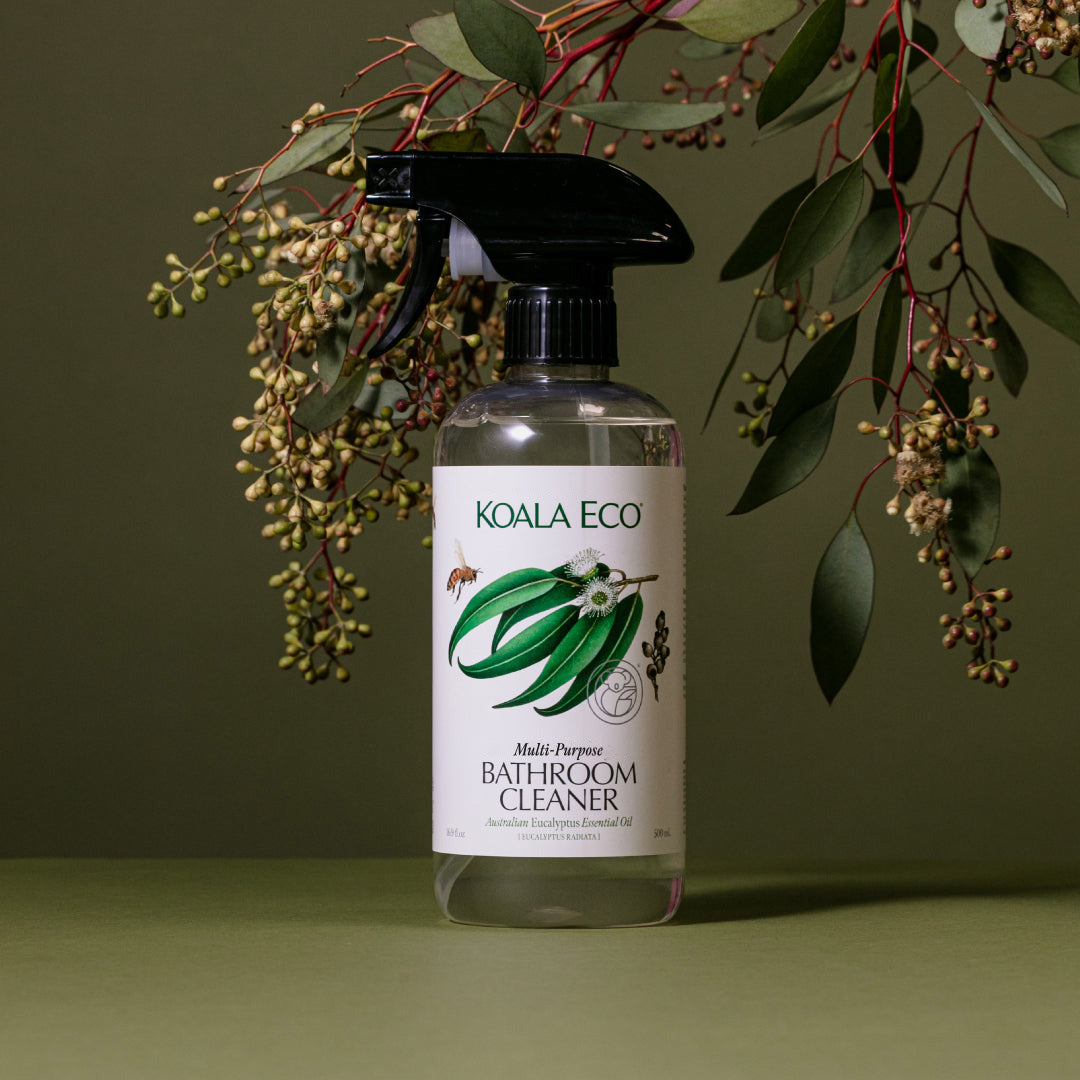
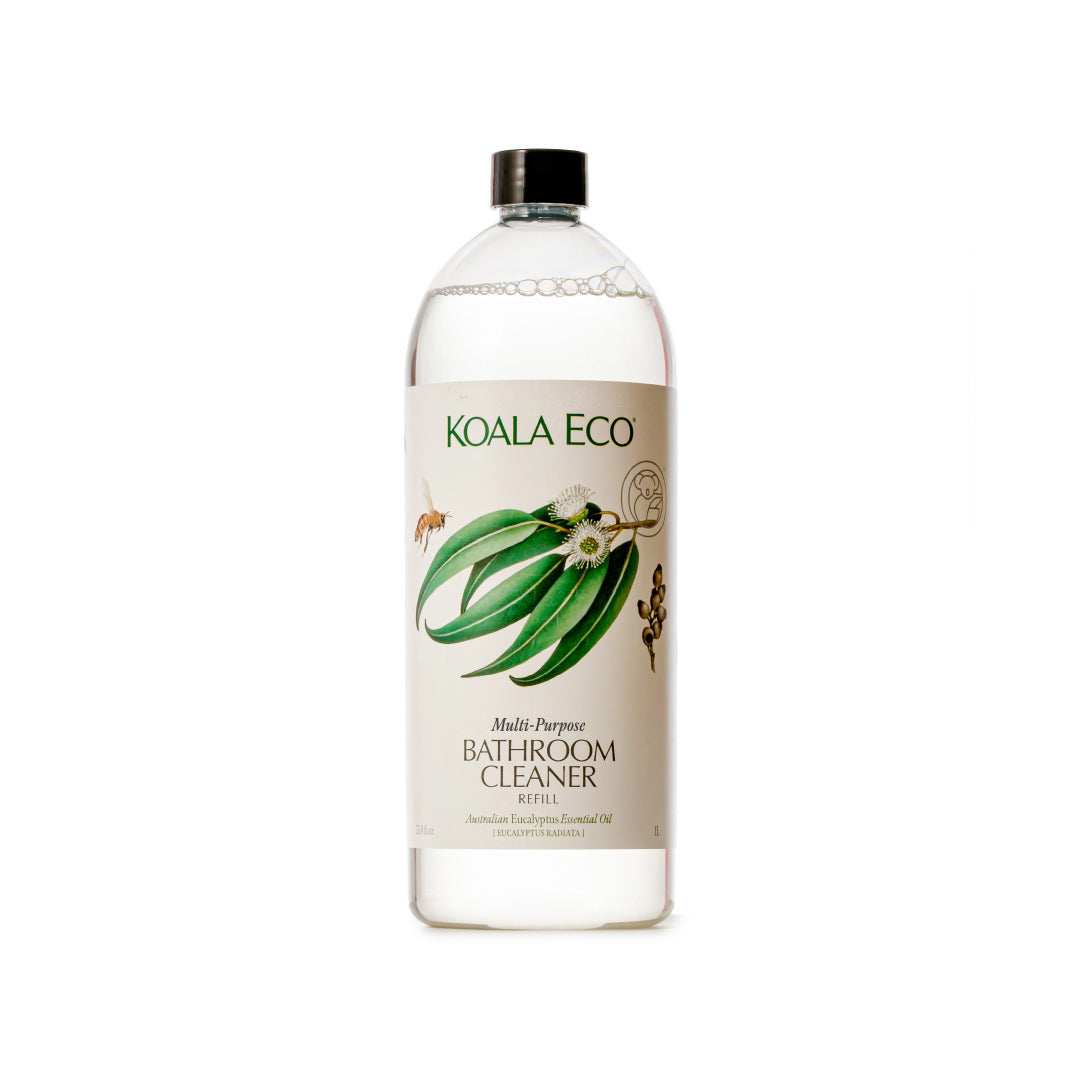
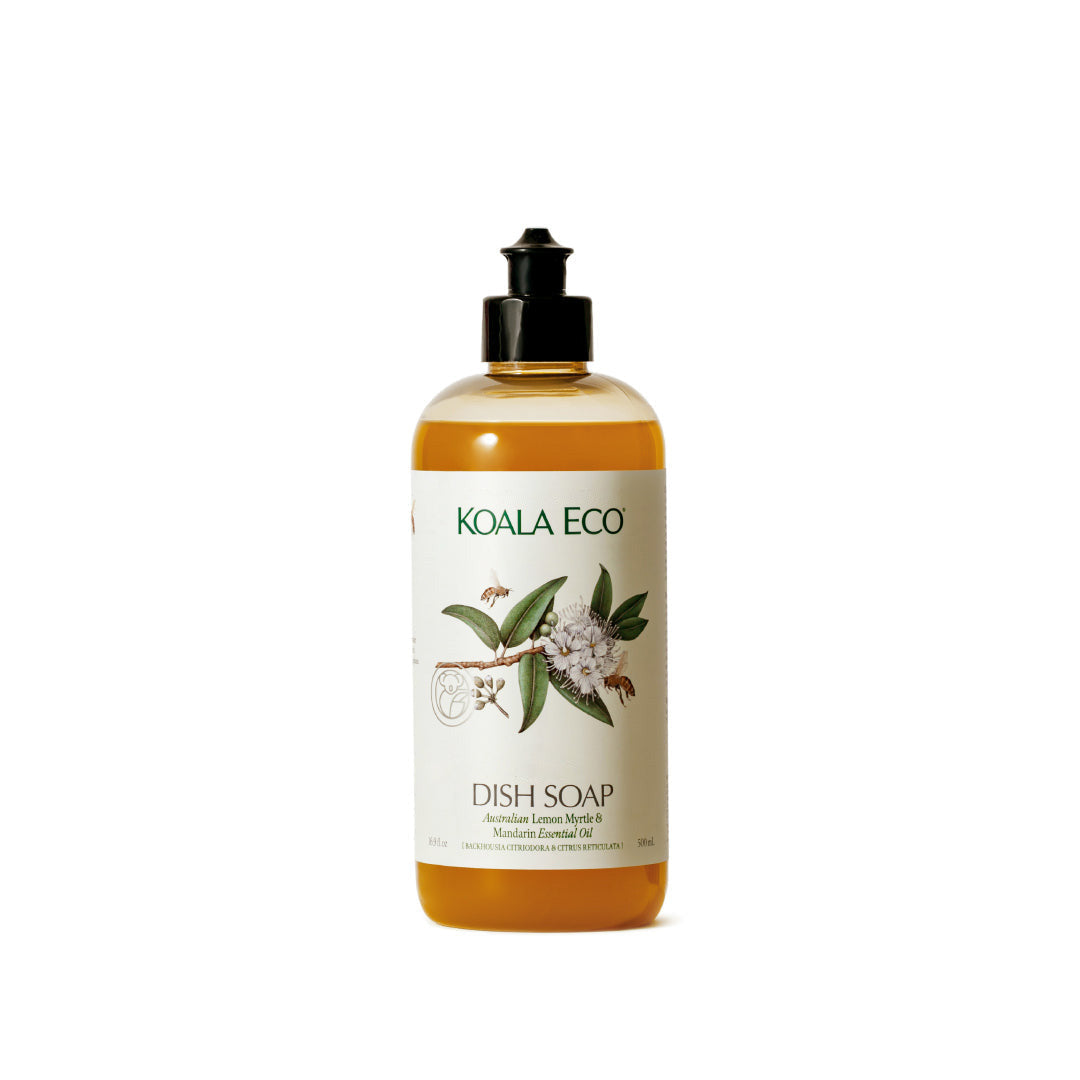
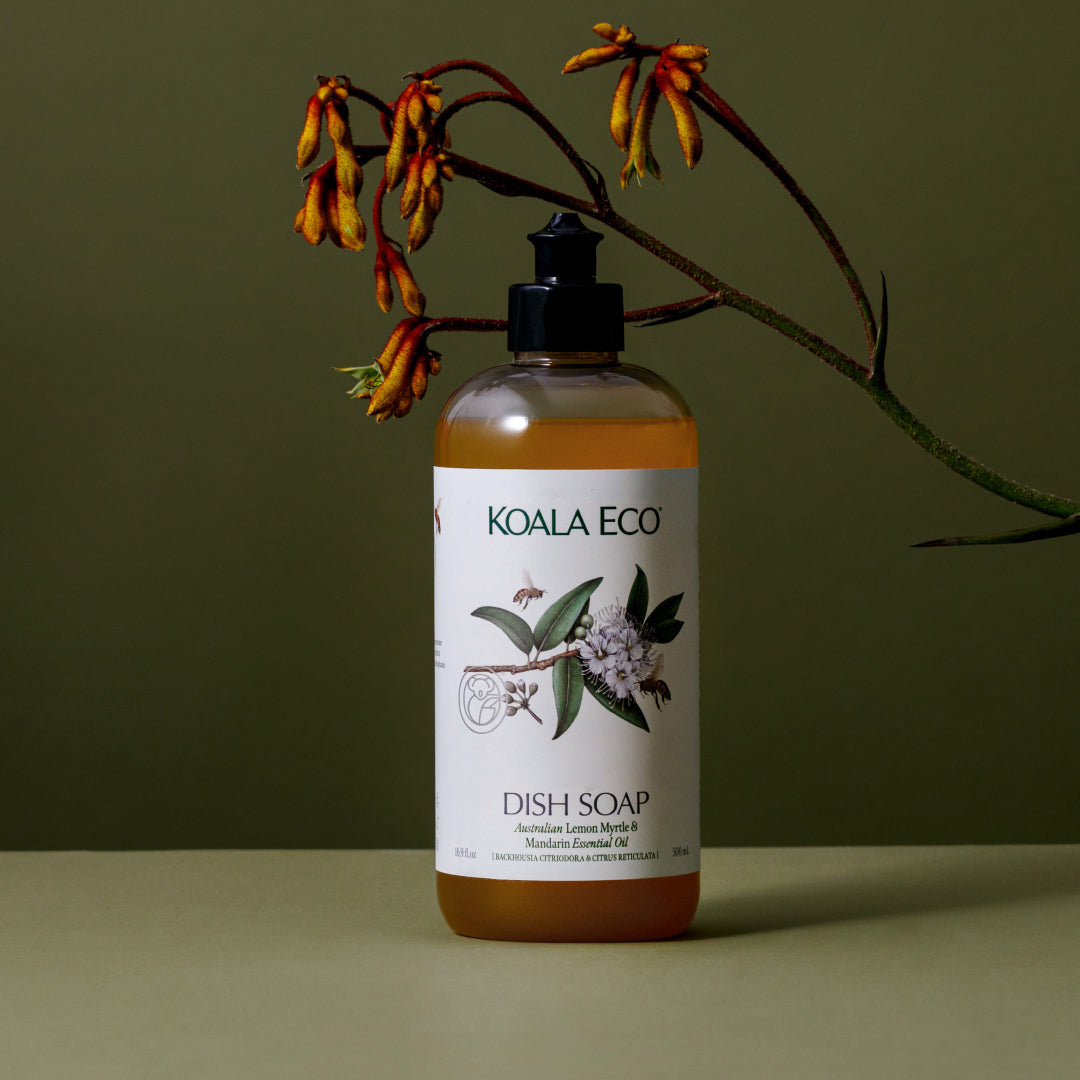
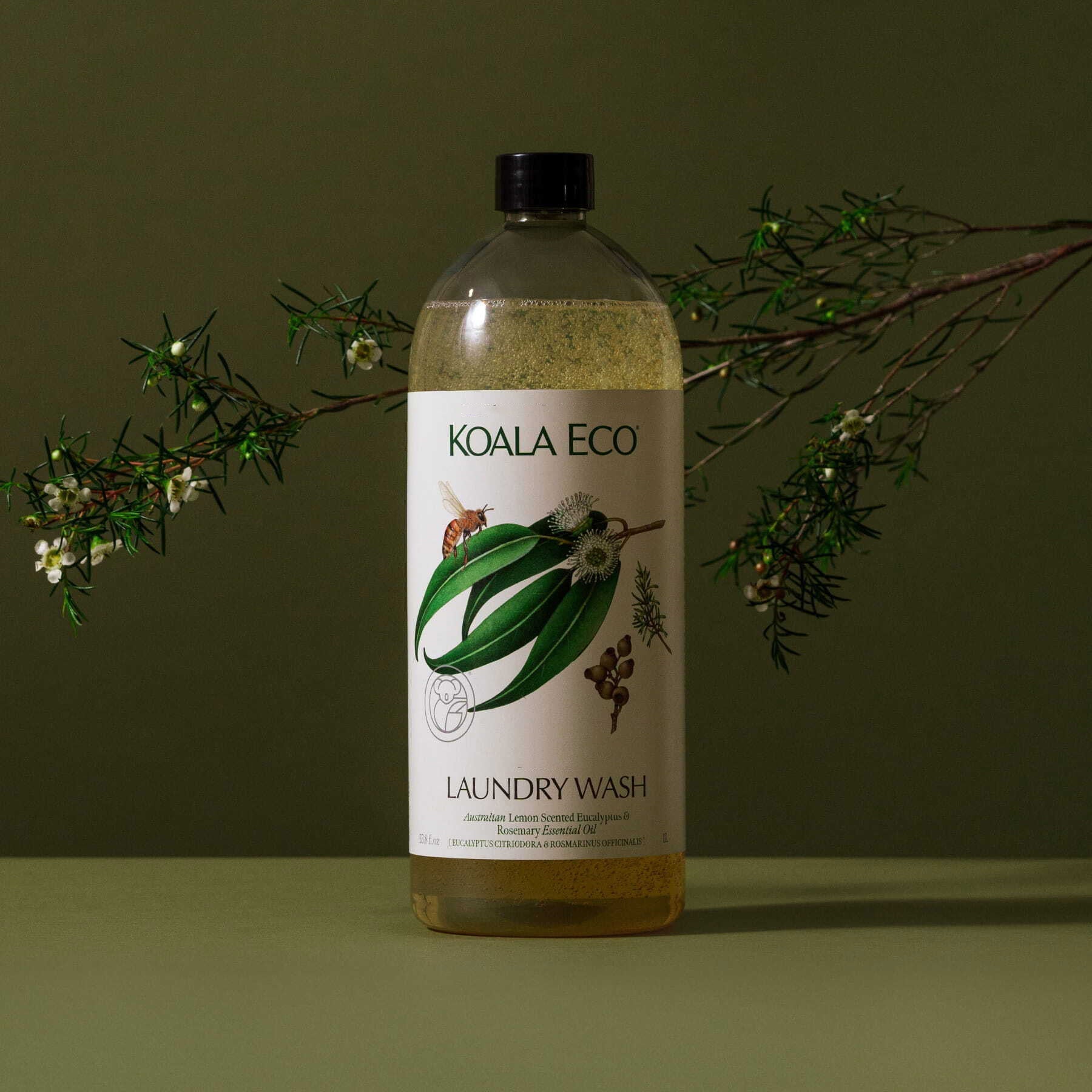
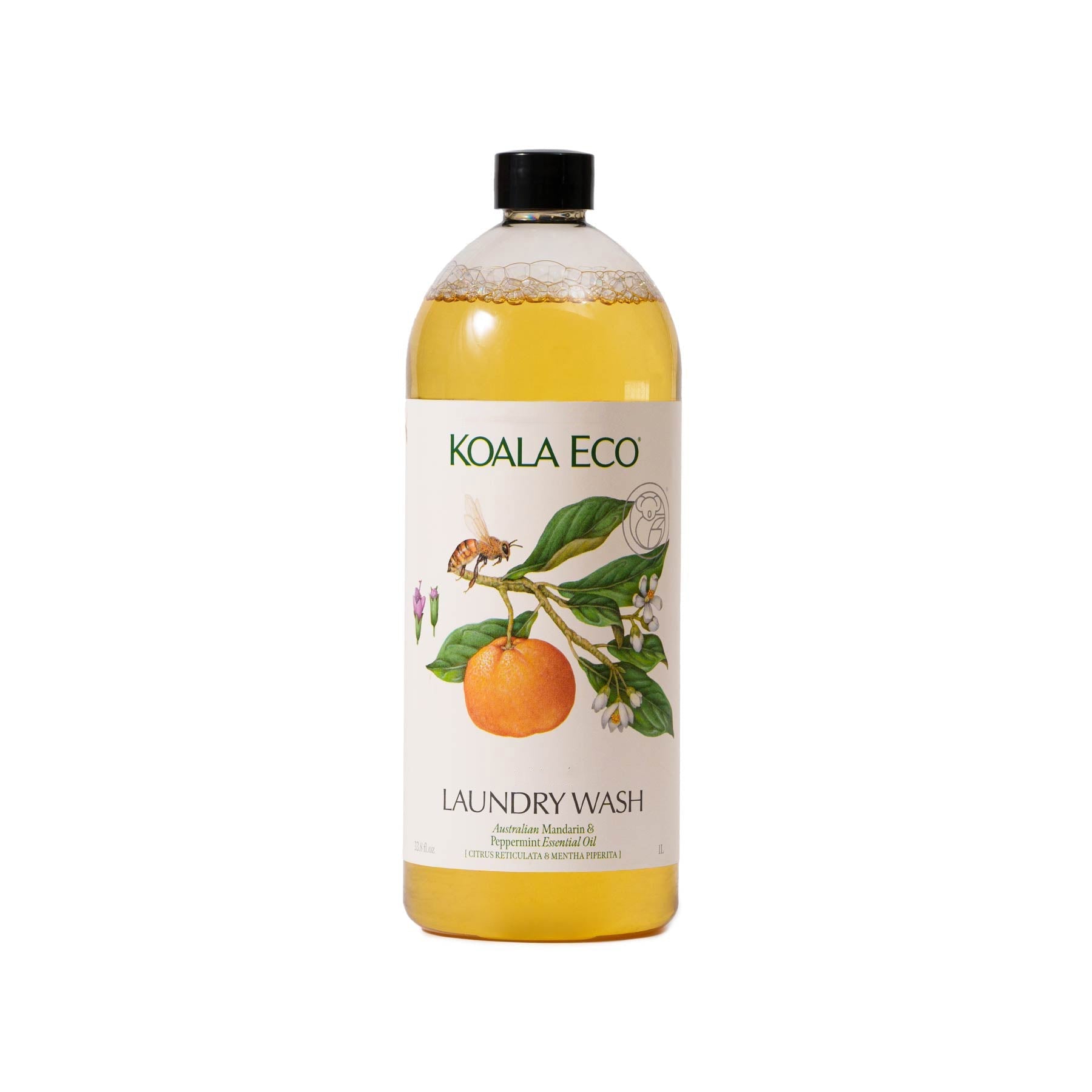
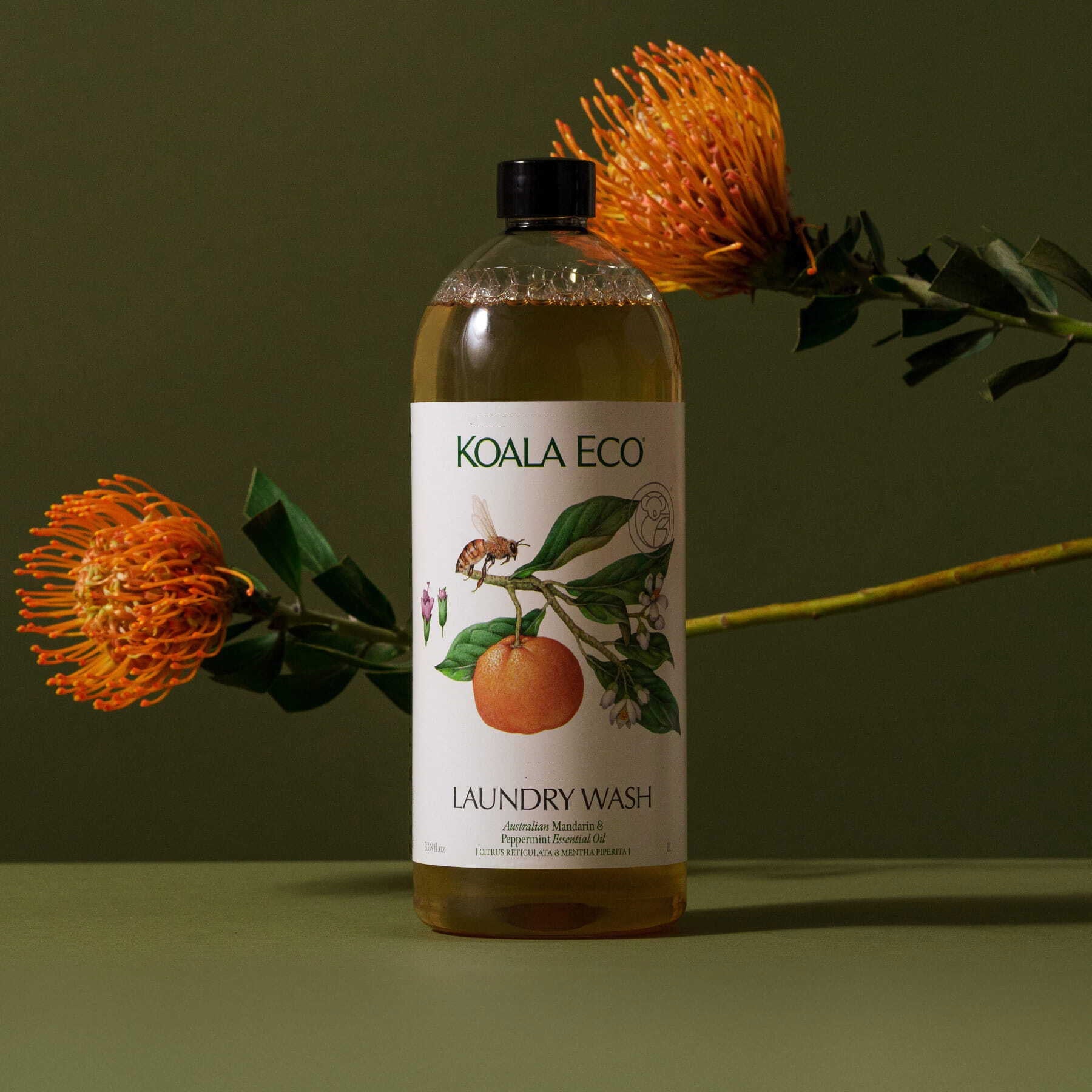
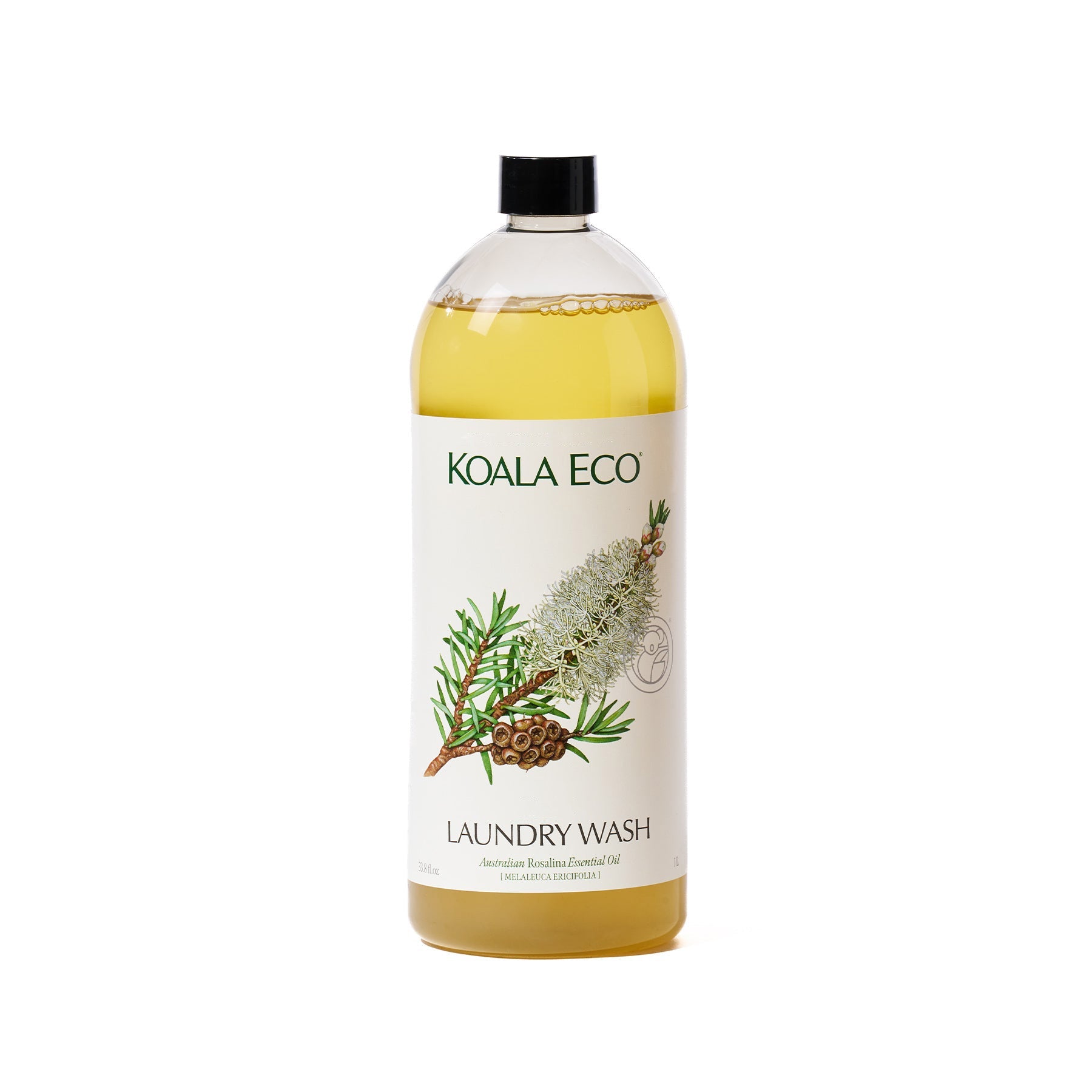
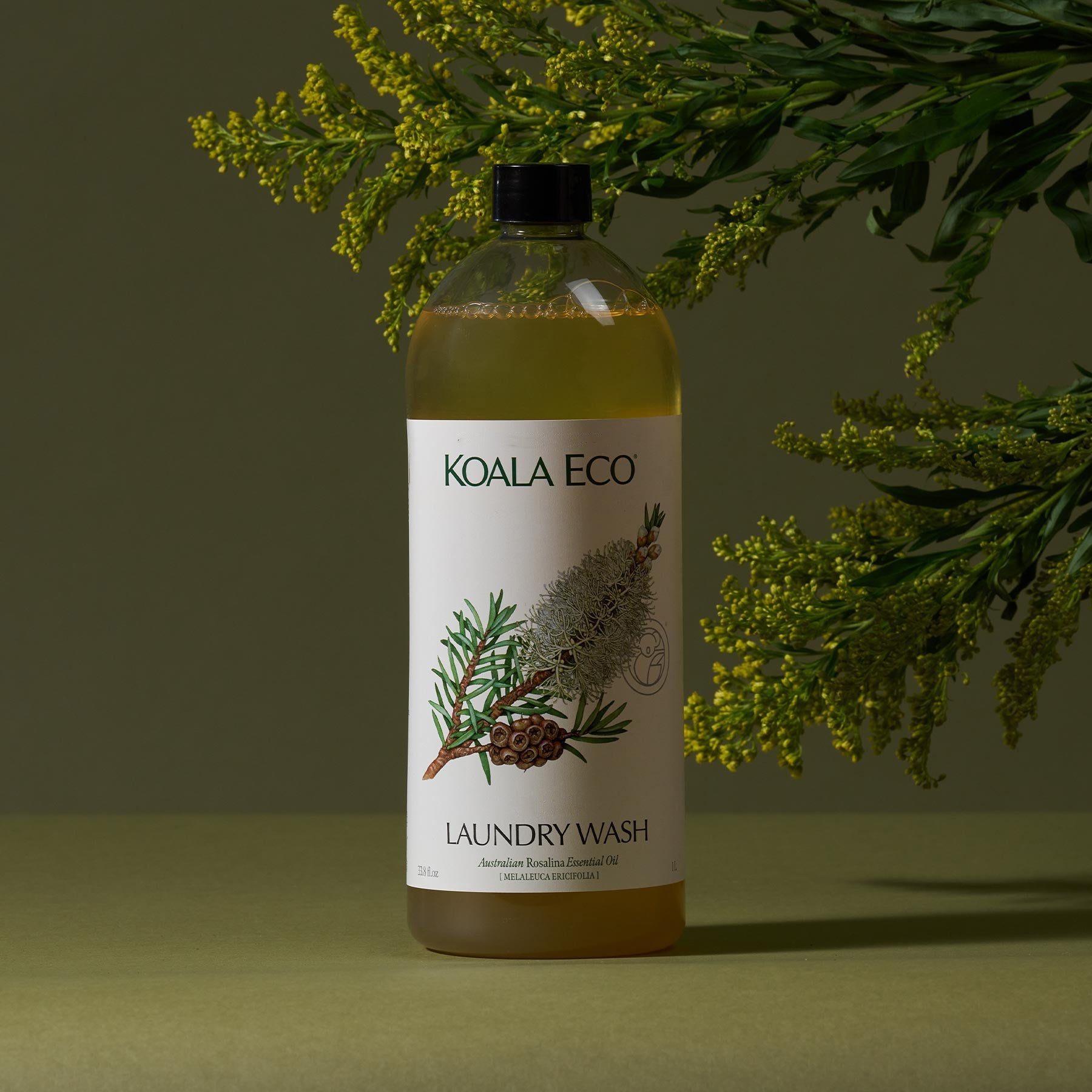
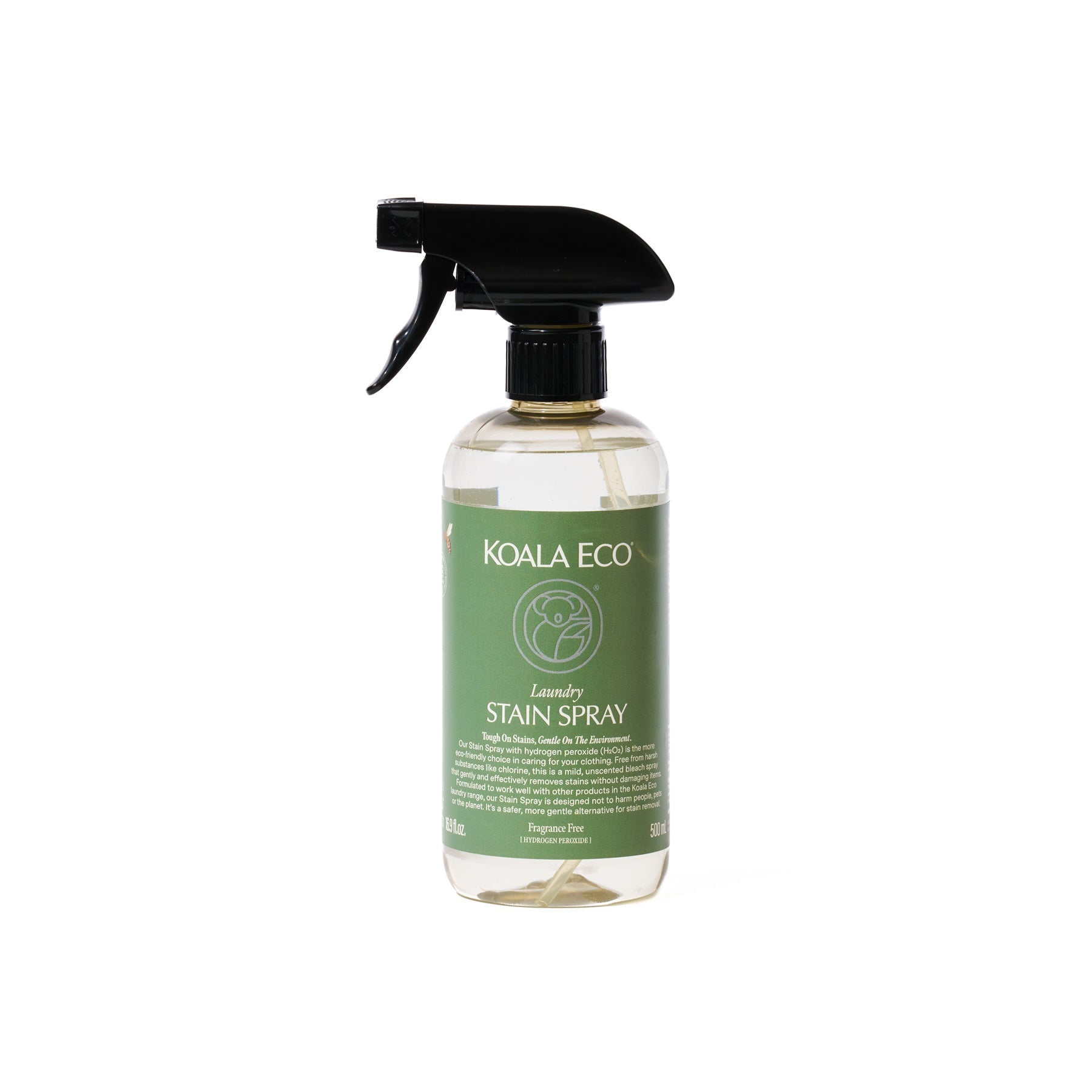
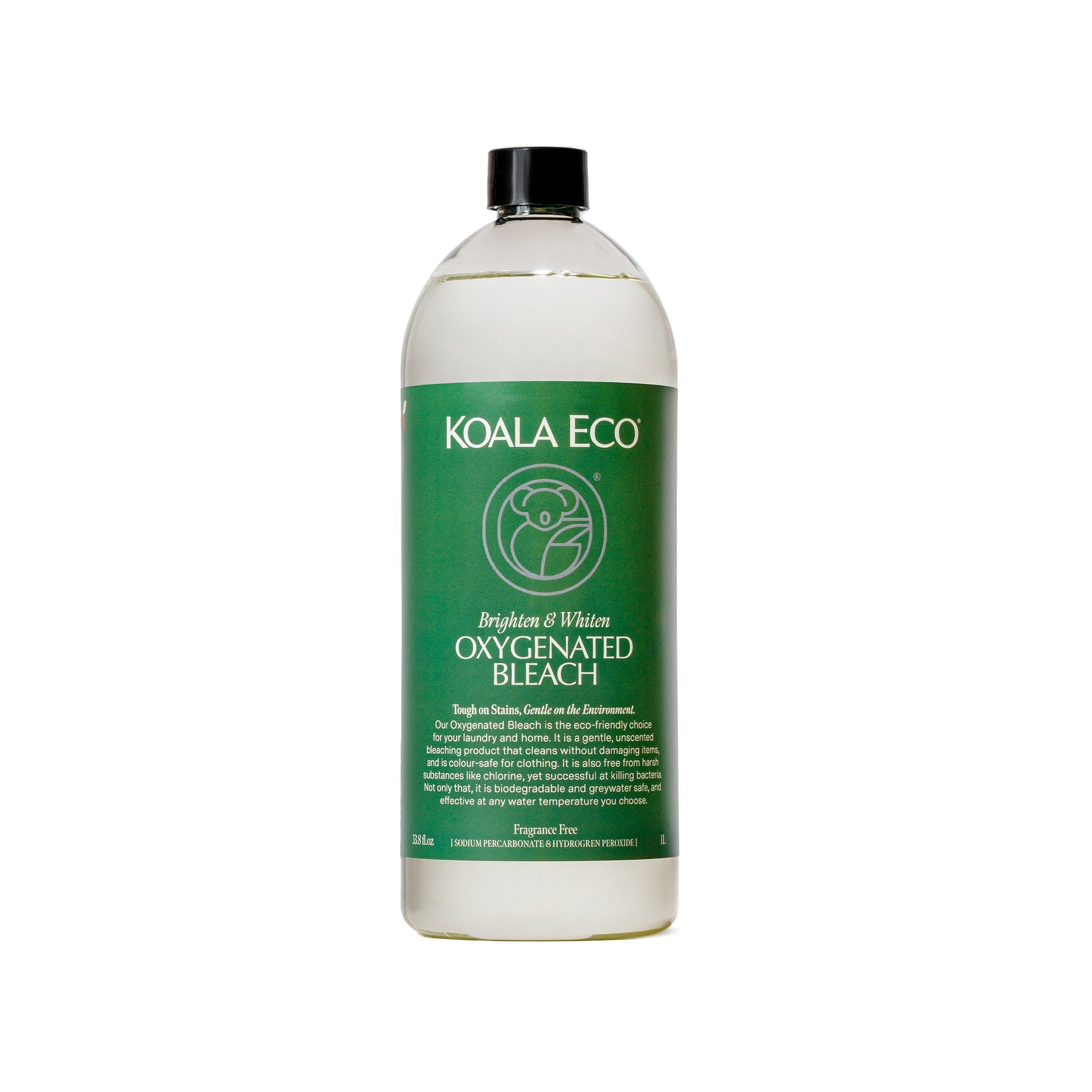
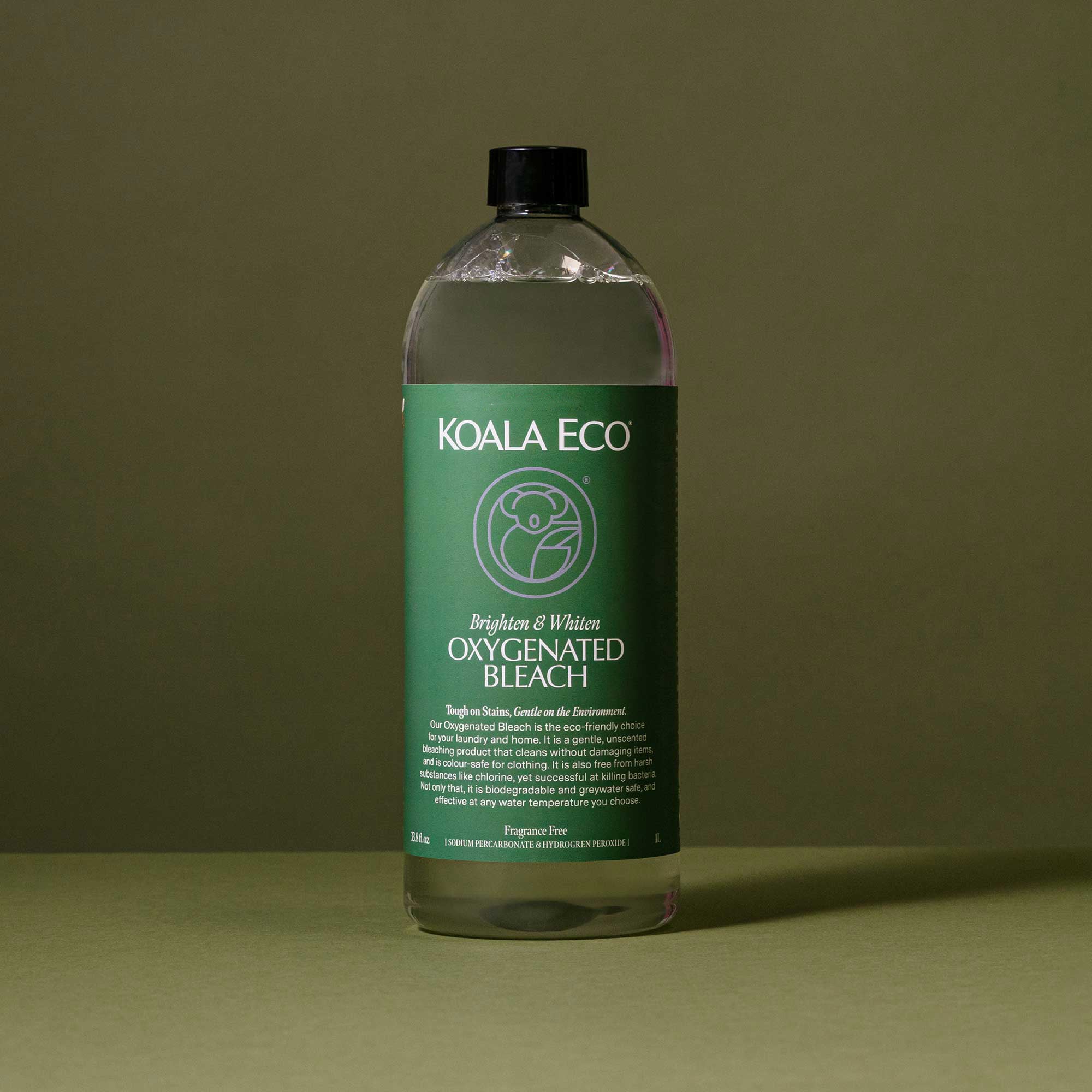
From the beginning, we were determined that Koala Eco would only use minimal and recycled packaging. When we successfully lobbied packaging giant Visy so we could use recycled and recyclable rPET bottles for all our products—including our large-size refills and concentrates—we can honestly say it was one of the proudest moments since Koala Eco launched. Since 2019, we’ve avoided 3.1 million bottles of new plastic being made. And we retail glass apothecary bottles that can be refilled again and again, and are way too handsome to hide in a cupboard.
It’s important to separate out paper, glass, metals and hard plastics from regular household or office waste, and make sure these items are clean before taking them to recycling centres or in the recycling bin for your local authority’s regular curbside collection. Many stores and recycling centres will take e-waste like batteries.
A lot of people believe that dissolvable laundry sheets or pods (which you just pop in each wash) are more environmentally friendly and create less waste than super-sized bottles of laundry liquid. Unfortunately, this is not the case. Maybe the packaging is more minimal, but these sheets are coated in PVA, a synthetic polymer that most wastewater treatments cannot eliminate from the environment this results in microplastics in our waterways. Choosing a biodegradable, septic-safe and non-toxic laundry liquid (with a completely non-artificial fragrance) we believe really is the best option.
And while we’re on the subject of waste reduction, what else can we do?
Do you consciously reduce how much clothing you buy, and instead re-wear, recycle, or repair your garments? Swap books with friends or use the library instead? Buy local and get shop receipts emailed to you so they’re not printed out on thermal paper? Buy refills whenever you can?
Whatever you do, keep doing it, and try doing more. For the sake of the planet and our futures, let’s not be (recycling) heroes just for one day…