Aileen is a Koala Eco devotee who lives in the Noosa Hinterland of eastern Australia, a place of great beauty and ecological fragility. A little while ago, she wrote this to us:
I wanted to know why and how natural essential oils worked so l became a qualified aroma therapist eventually producing my own brand of oils and lecturing. l no longer lecture or practise, however when l was recommended your products, l was excited to try. We have to use products that are eco-friendly for our water and waste management. I love essential oils, especially Australian oils like lemon myrtle, Eucalyptus, orange etc. Seriously, l am impressed.
Aileen’s generous feedback got us wondering. Might other professionals helping people understand and address physical and psychological issues also lean into the benefits that nature therapy offer, either as part of their practice or their personal lives?
Adrienne Bragdon is Koala Eco co-founder Jessica’s twin, and the managing director of the company’s US operations. She is also a qualified and practising therapist with a Masters in Clinical Counselling. Not surprisingly, Adrienne is a firm advocate for the benefits of spending more time in nature.
The rising popularity in social prescribing, Adrienne says, is no accident. Designed to complement conventional medicine, social prescriptions boost a patient’s interactions with exercise, community, creativity and—importantly—nature. For example, since 2022, Canadian doctors have been able to prescribe passes to national parks, requiring patients to spend at least 120 minutes a week (the minimal amount of time for efficacy, according to research) just ‘being’ in nature.
For Adrienne, time in nature is crucial to wellbeing. Despite living in sunny California, she’s more of a winter enthusiast: the colder, darker months remind her to tune into stillness and compassion. ‘When it’s cold your body must work harder, leading to increases in endorphin production, which can result in a happier mood,’ she says. If skiing through mountains and evergreens is part of this nature cure, it’s likely Adrienne is also breathing in the scent of alpha-pinene and cineol or ‘biogenic volatile organic compounds’—essential oils in other words—given out by plants and soil. These compounds are particularly strong in conifers, and a recent study has shown inhaling them can have positive effects on human wellbeing.
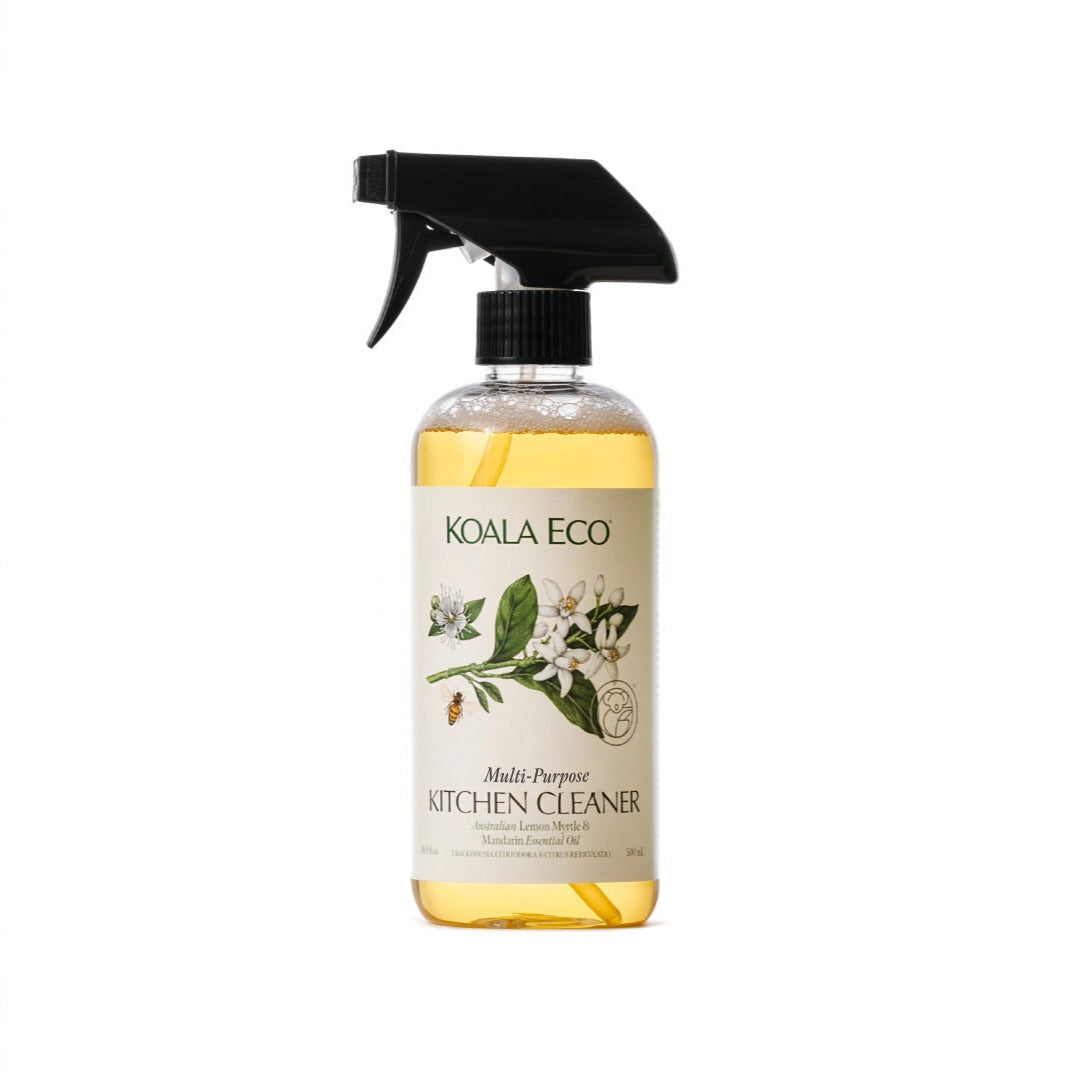
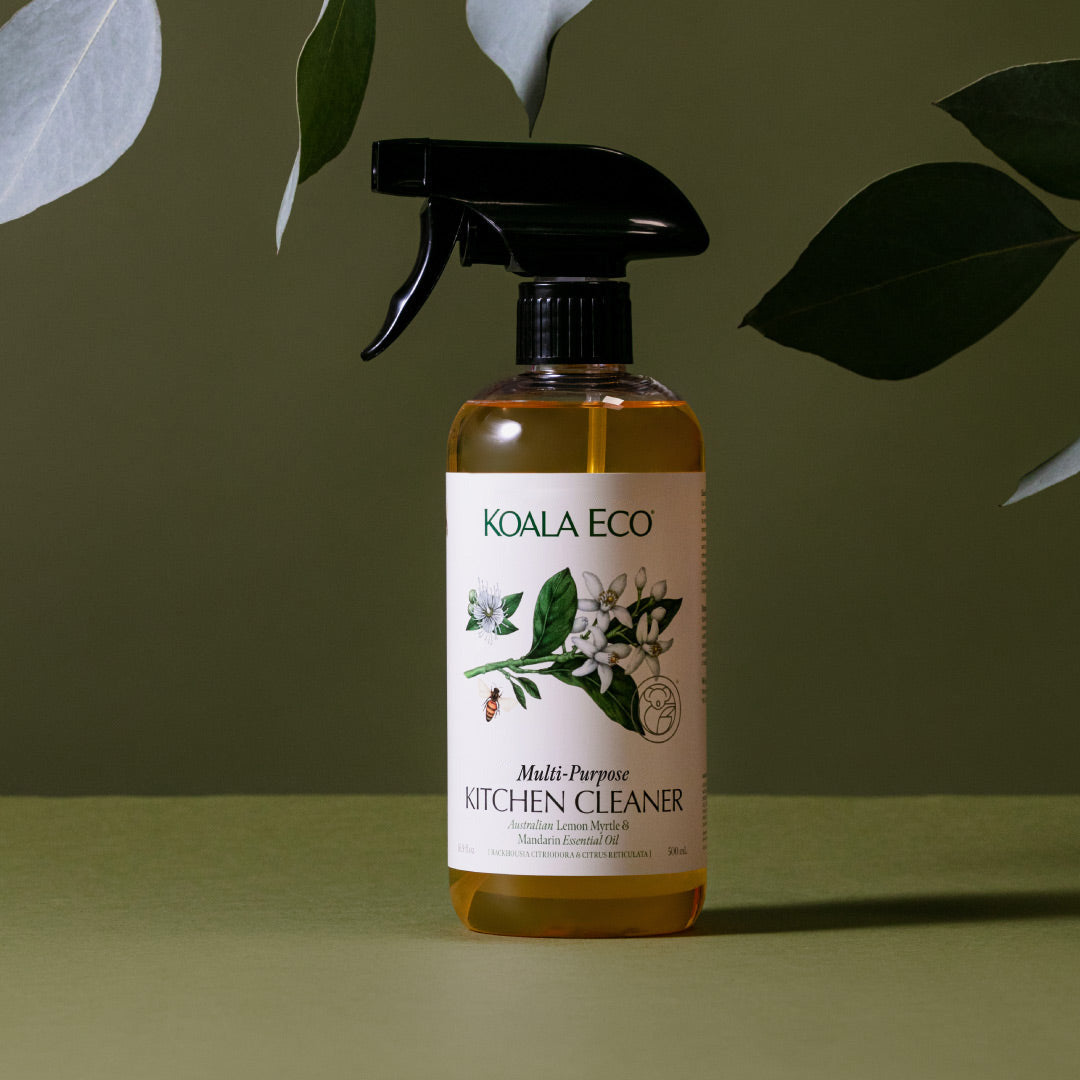
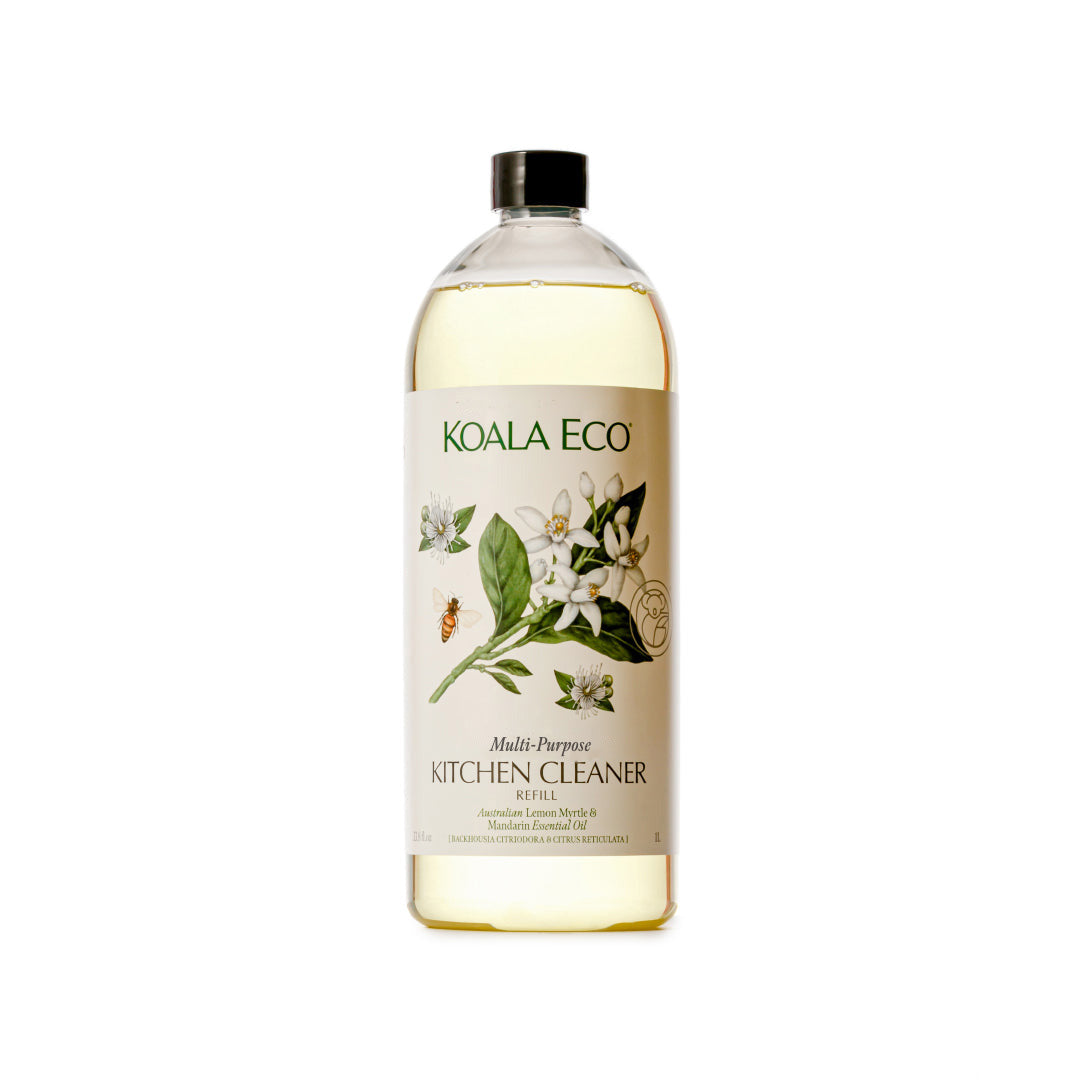
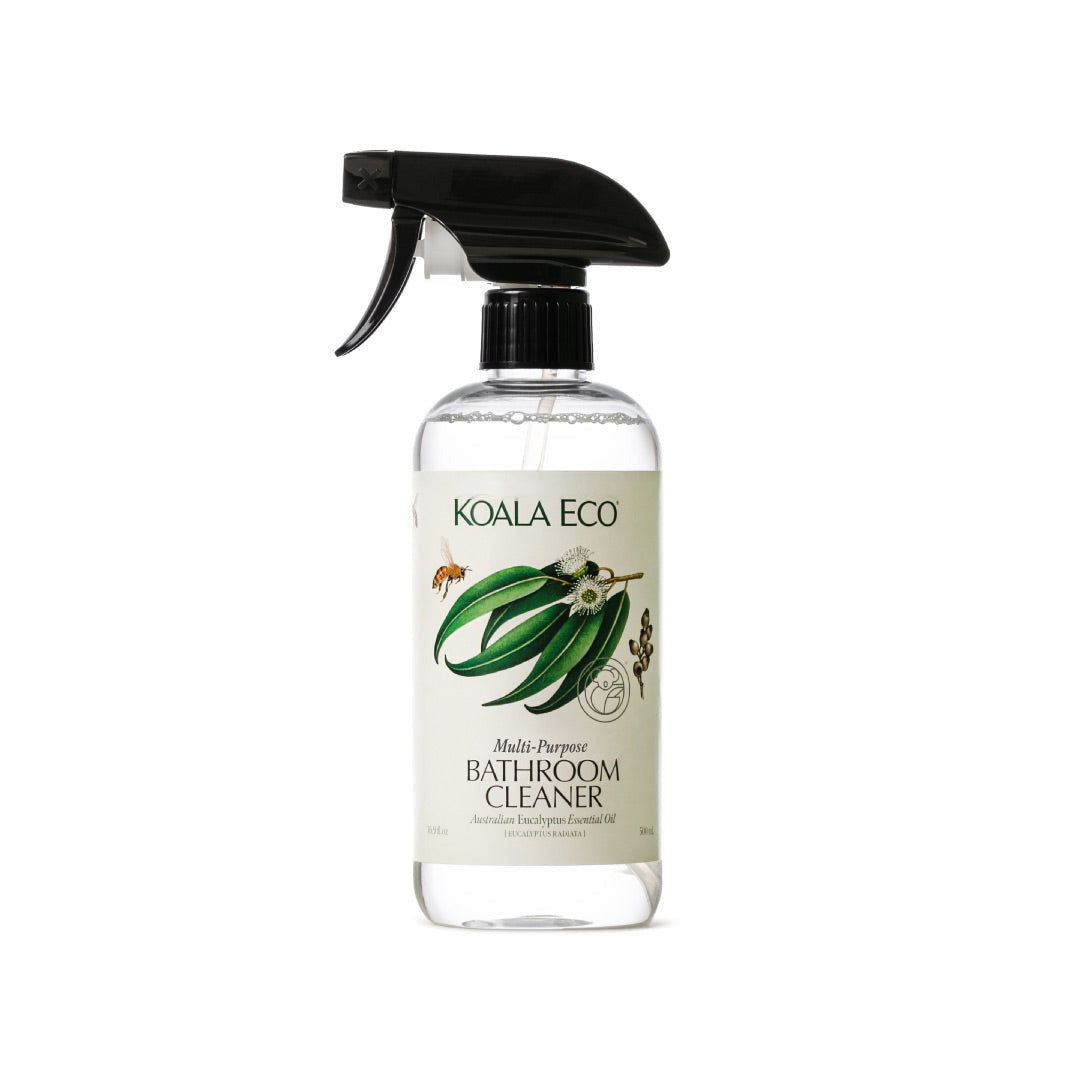
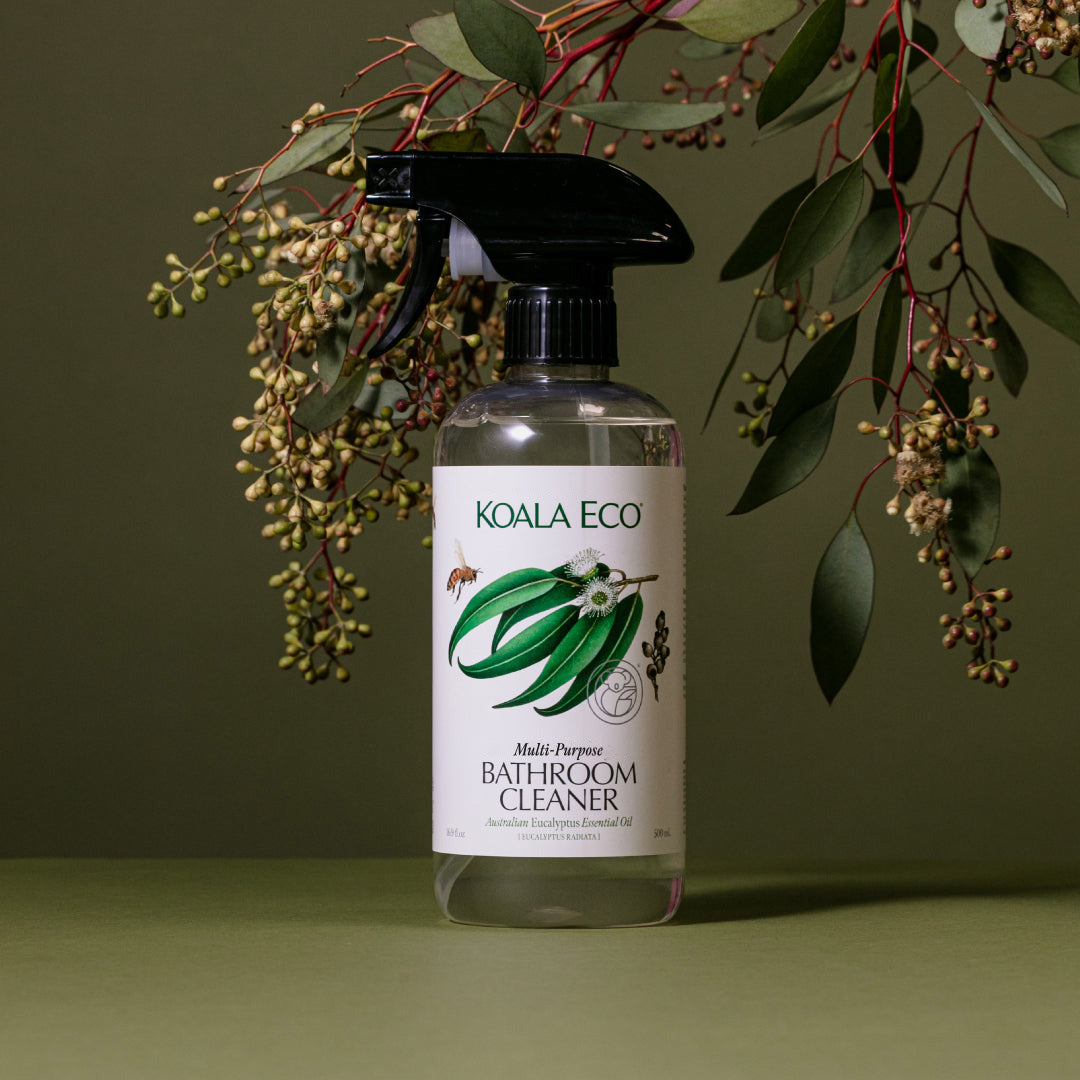
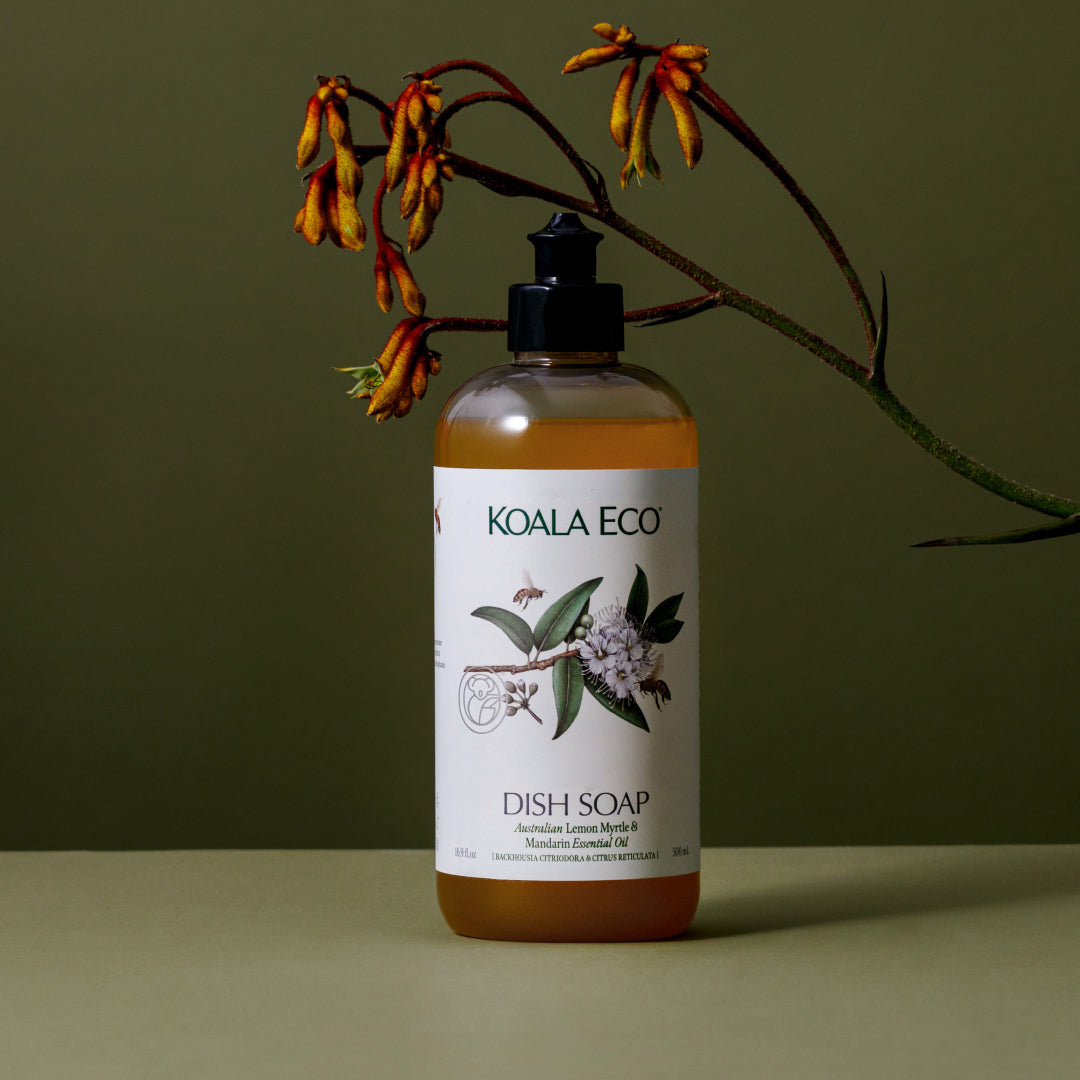
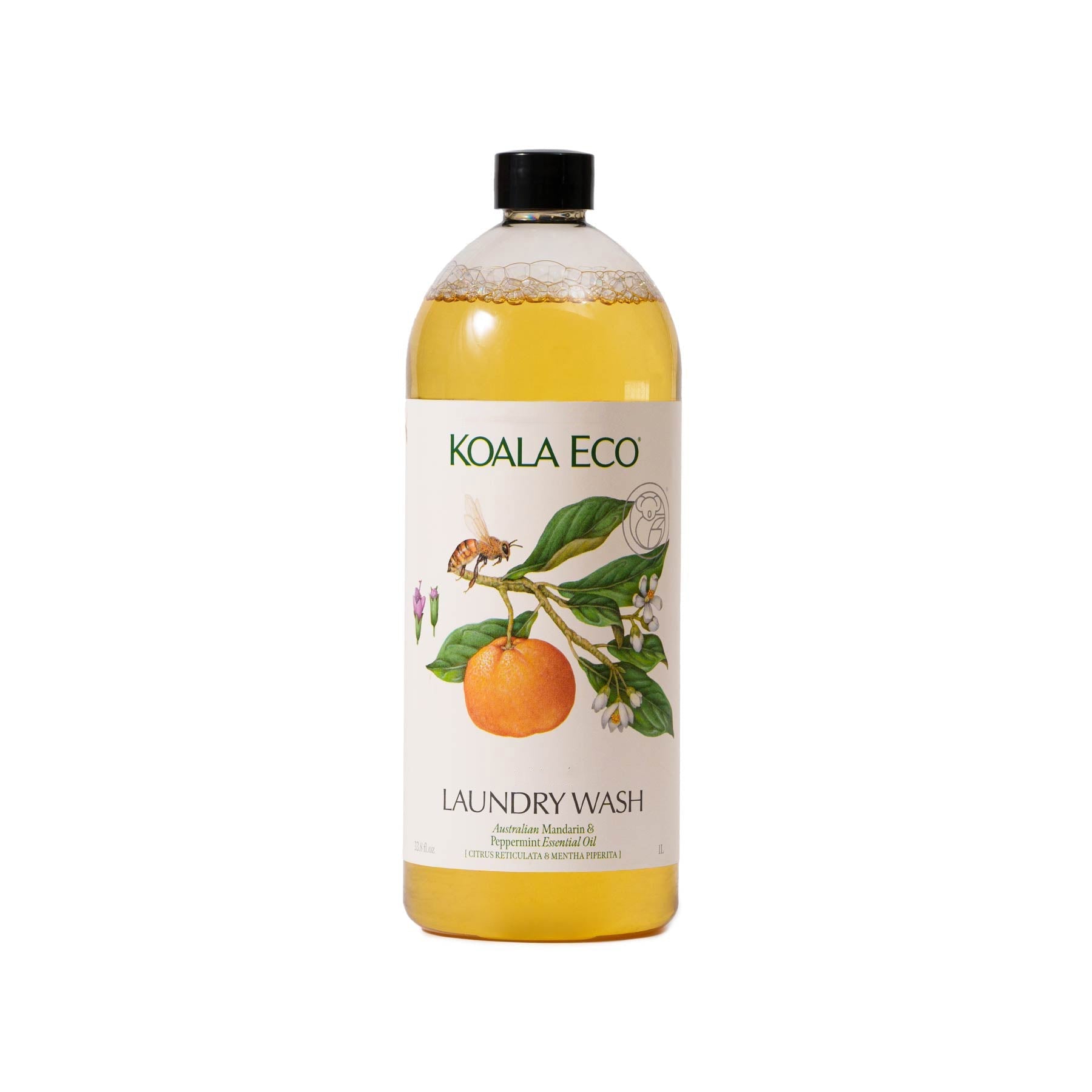
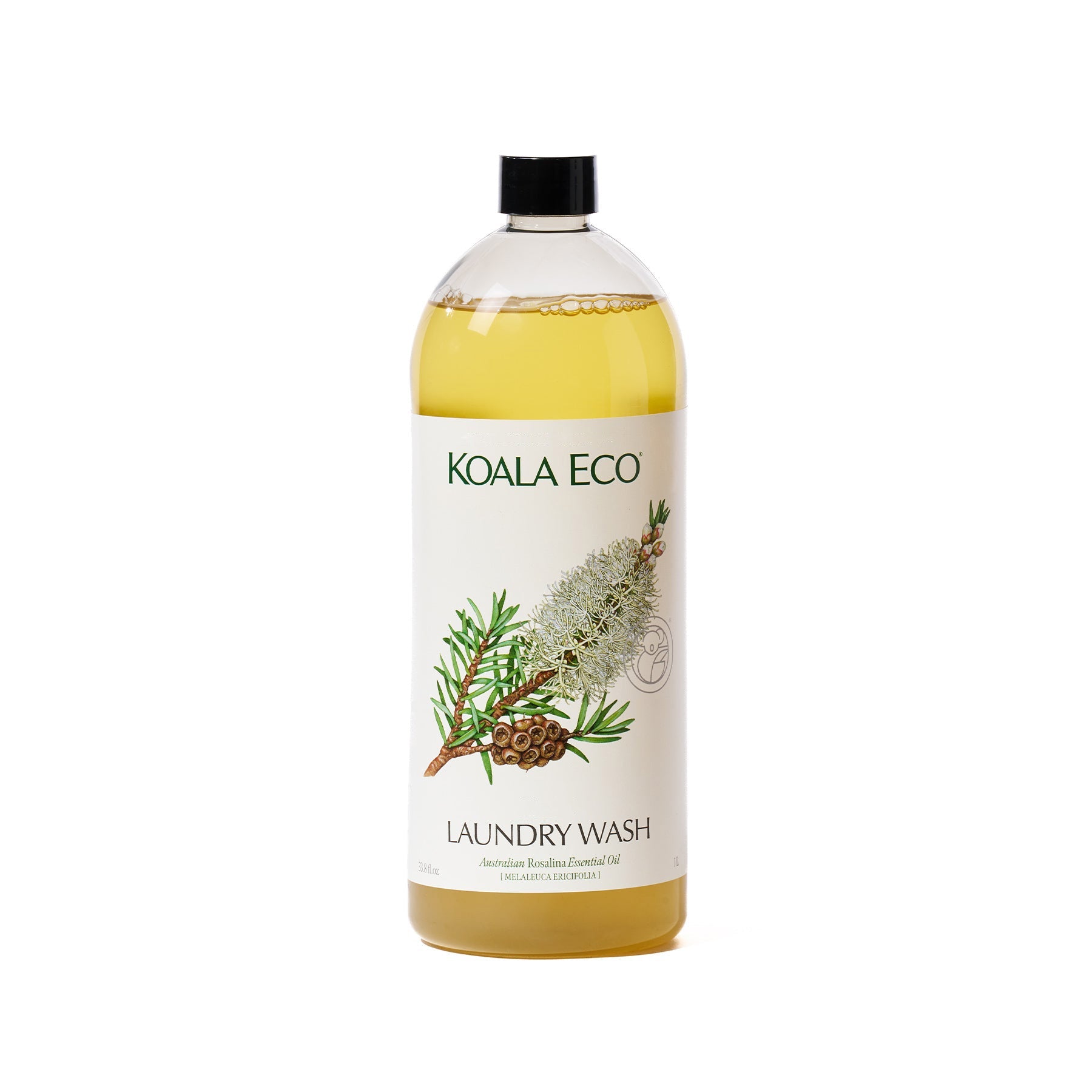
Which brings us to the essential oils in Koala Eco products: pure, active compounds secreted by the bark, leaf or fruit of native trees and plants. Their scent is an obvious benefit—who doesn't love breathing in the pleasurable perfumes of nature—yet that’s only part of their power. Aroma therapists like Aileen are trained in their use for soothing patients’ stress or boosting mood; they can sharpen memory and relieve fatigue.
‘It seems like a no-brainer, yet people still opt for products laden with toxic ingredients,’ says Adrienne. ‘The U.S Environmental Agency states scientific evidence has indicated the air inside homes can be more seriously polluted than the outdoor air in even the largest and most industrialised cities. Among the culprits causing this toxicity are household cleaning products. There’s a reason why a lot of them have warnings on their labels about being hazardous if accidentally inhaled, or come into contact with skin.’
‘I don’t want to downplay the benefits of professional therapy,’ she adds, ‘but what could be better than using something that won’t harm the environment, nor you? And that, far from harming you, may help to improve the mood and sleep of you and your family?’
[1] It doesn’t matter whether the two hours are taken in one go, or in several shorter ones.
White et al. 2019. ‘Spending at least 120 minutes a week in nature is associated with good health and wellbeing.’ https://doi.org/10.1038/s41598-019-44097-3
[2] Donelli et al. 2023. ‘Effects of Plant-Emitted Monoterpenes on Anxiety Symptoms: A Propensity-Matched Observational Cohort Study.’ International Journal of Environ Research and Public Health, 20.