According to the National Heart, Lung and Blood Institute, about 50 to 70 million Americans have sleep disorders, and 1 in 3 adults do not regularly get the recommended amount of uninterrupted sleep they need to protect their mental and physical health, quality of life, and safety.
If this sounds like you, here are a few suggestions that might help with achieving better sleep. They may not work overnight (no pun intended) but they could help you start making positive changes to bedtime practices and habits.
Establishing regular sleep cycles really helps your body clock adjust to healthier patterns. If you are not a teenager (clinically proven to need more sleep), ditch the weekend lie-in! Be consistent in the times you go to bed and get up.
Many of us have televisions or screens in our bedrooms, but their bright light interferes with the necessary night-time production of the sleep hormone melatonin, and tricks our bodies into thinking it’s daytime. So, switch off early, or better still, banish the screens from your bedroom altogether.
Consider how often you change your bed linen, and vacuum your mattress to get rid of dust mites. A dusty, unhygienic sleeping environment is not a recipe for a good night’s sleep. Neither, unfortunately, is a glass of wine or three: alcohol is a sure-fire sleep disruptor, because even though it may appear to send you to sleep easily, the quality of that sleep is severely compromised. The good news is that before long, if you are sleeping better, you won’t notice the absence of your TV and favorite late-night tipple.
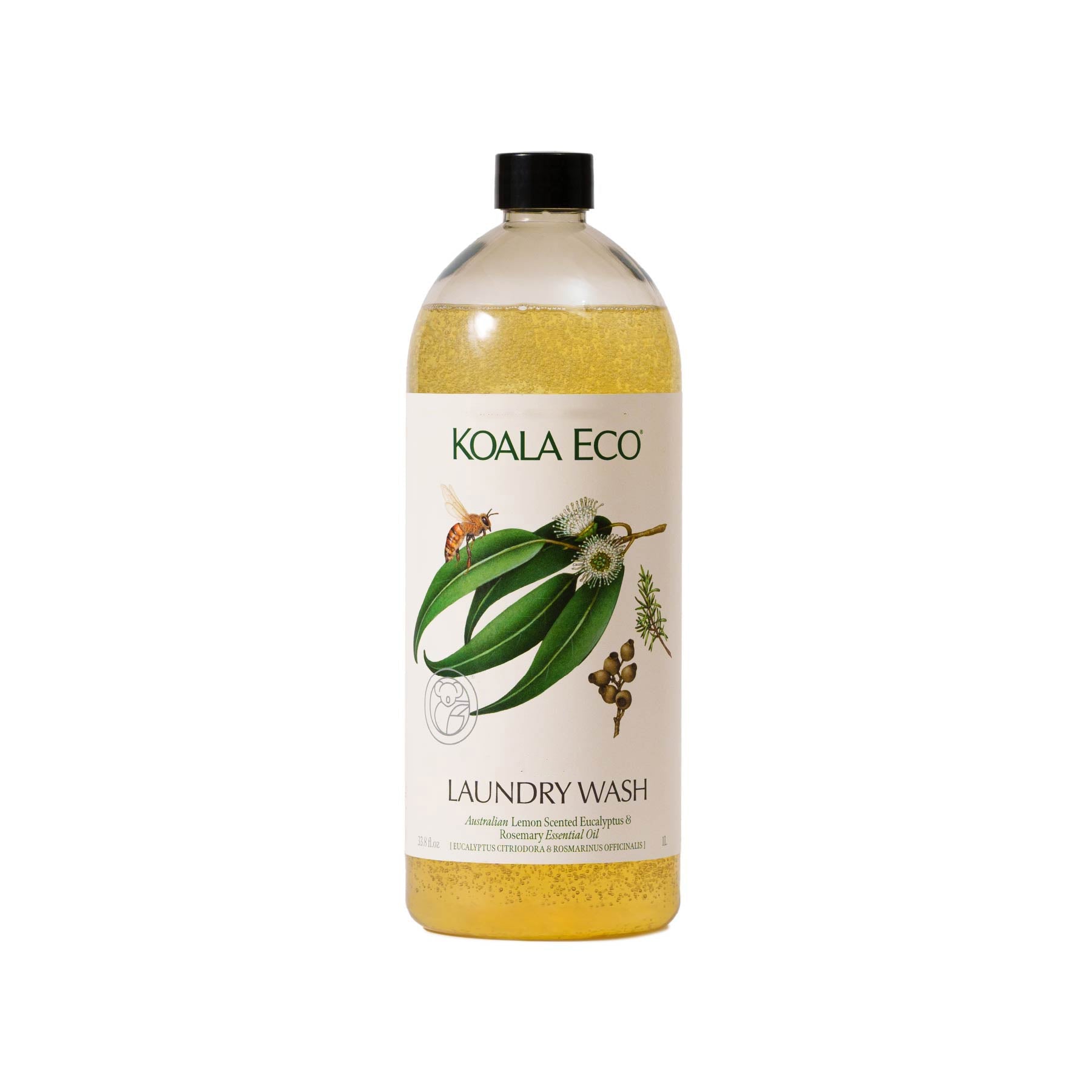
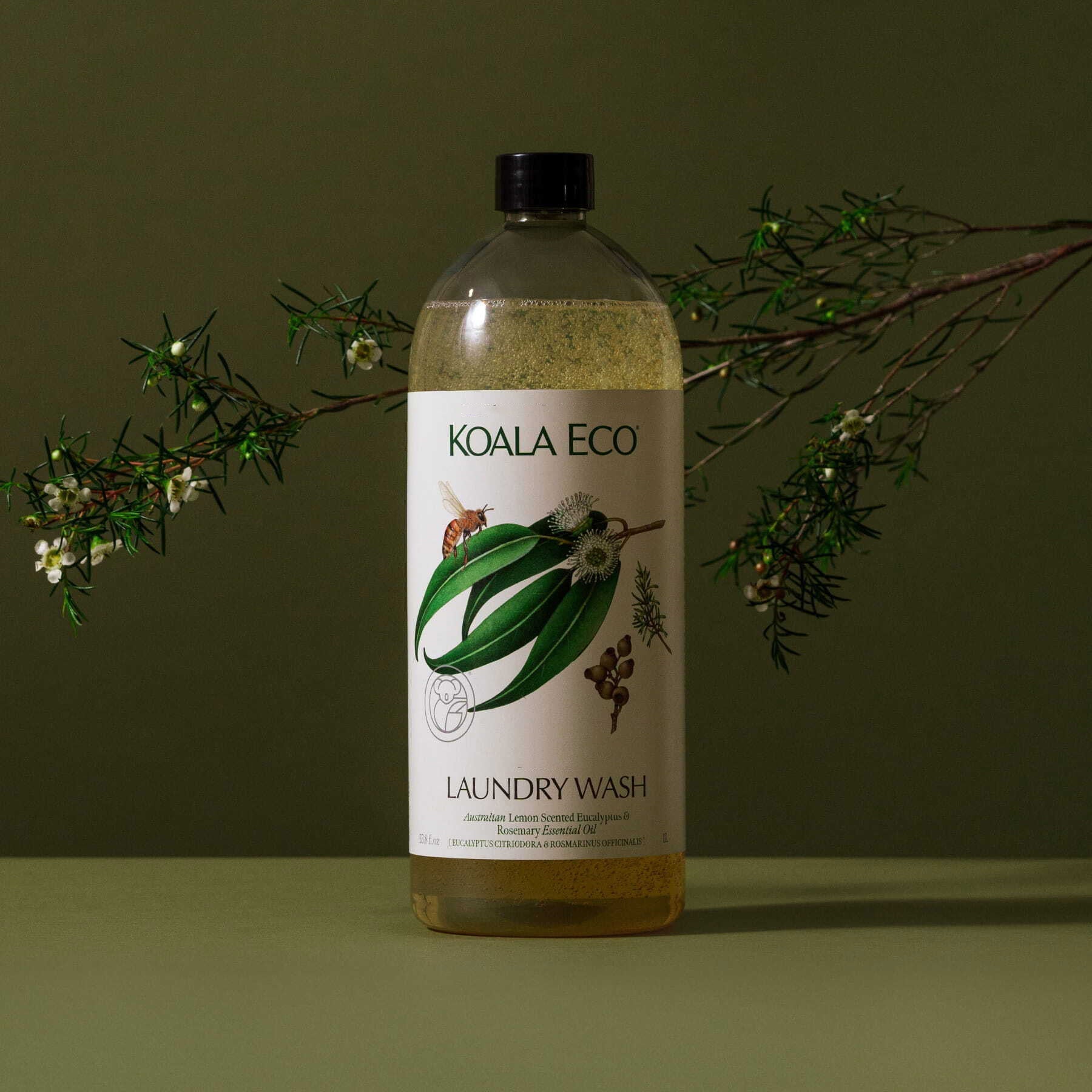
Create a sanctuary out of your bedroom each night. Lower the temperature by opening the window and letting in the fresh air. Change your bed linen regularly, and wash your sheets and pillowcases with non-allergenic naturally formulas with essential oils like Koala Eco’s laundry wash with Lemon Scented Eucalyptus and Rosemary essential oil. Banish all artificial light where you can.
And why not try our pillow and linen spray with the essential oils of three of nature’s best stress-relieving and anti-inflammatory botanicals: Eucalyptus, Peppermint and Rosalina. Misted lightly on your pillow, the decongestant and anti-inflammatory properties of Eucalyptus and Peppermint help keep airways clear (so you can breathe comfortably and deeply) while Rosalina’s lavender scent helps to calm and soften you into sleep.
Sweet dreaming!