By Rachel Johnson, interviewing Jessica Bragdon
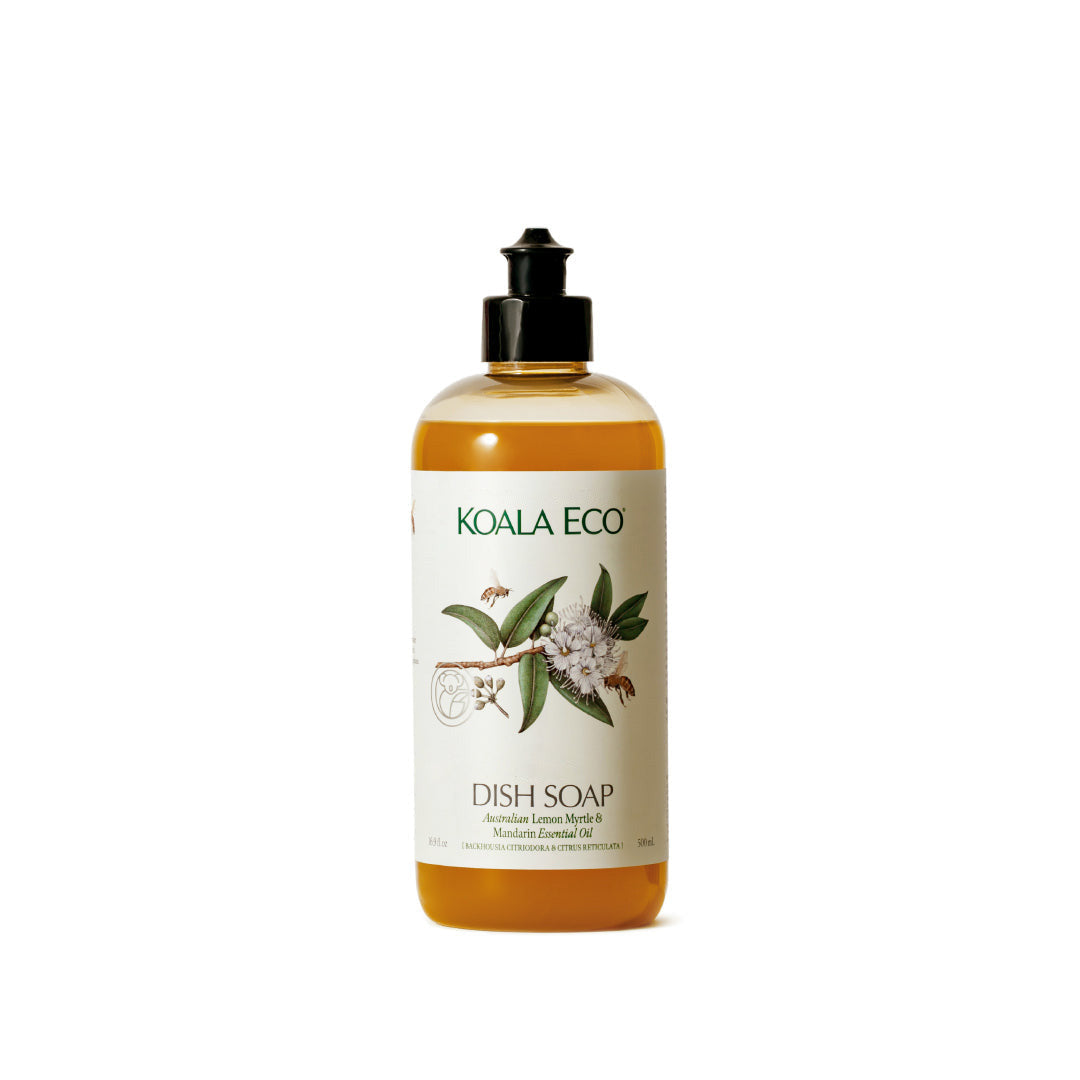
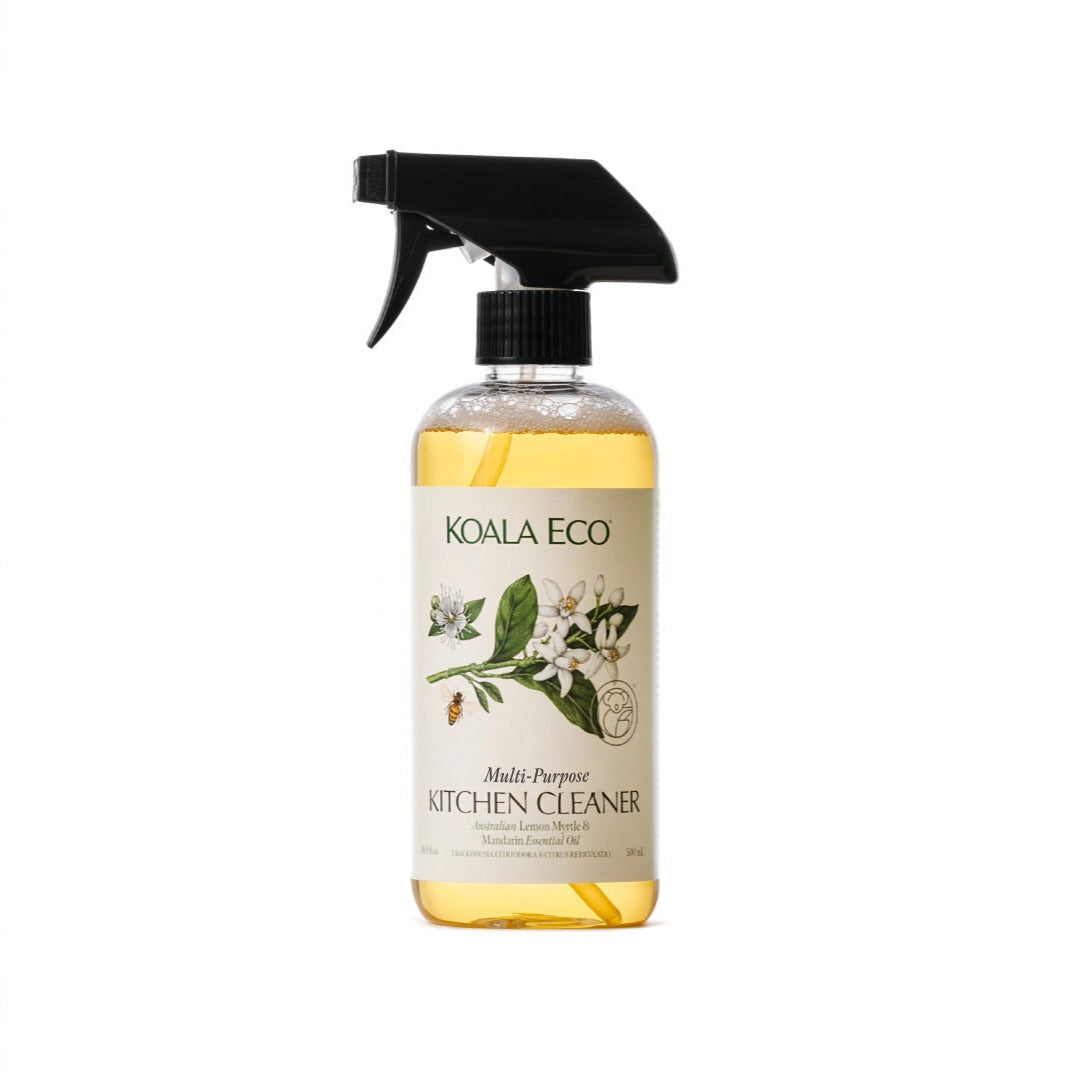
Jessica is the co-founder of Koala Eco, the family-owned brand behind the plant-based products many of our customers use every day to care for their homes, families and routines. A mother, nature lover and longtime advocate for realistic wellness, her approach is grounded in simplicity, wellbeing and a deep connection to the natural world.
We asked Jess to share some of her thoughts on wellness and finding clarity amidst the chaos.
In the midst of your son's diagnosis, was there a clear turning point where you looked around your home and thought, "this isn't good enough" and everything changed in how you approached everyday products?
When Arthur was diagnosed with neuroblastoma at five weeks old, the cause was not environmental or genetic. It was, as the doctors told us, bad luck. I also want to be clear that the doctors, nurses, and treatment saved Arthur's life. But the experience reorders everything. When your baby is having chemotherapy, you begin paying attention to what's in your home in a way you hadn't before — what's on the counters, in the laundry, on your child's skin.
Paul and I had always been nature lovers, committed to protecting the environment. After Arthur, our resolve to live as healthily and as close to nature as possible really intensified. We looked for products that were truly natural, safe, and powerful — and that would actually be pleasurable to use — and we couldn't find them. So, we started a company to make our own. Our family was the first customer for Koala Eco. The products fulfilled a need in our lives.
Something you've changed your mind about since starting Koala Eco?
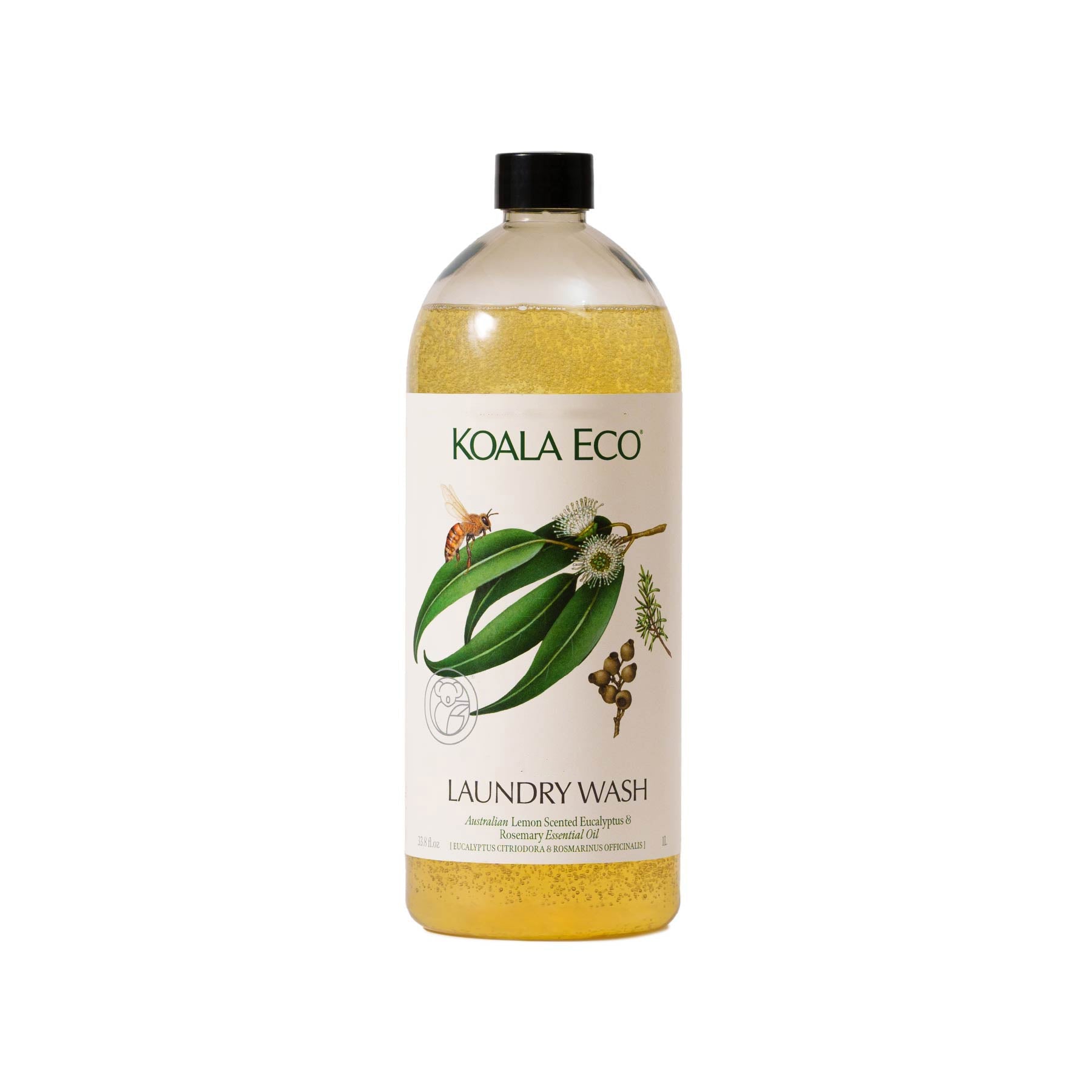
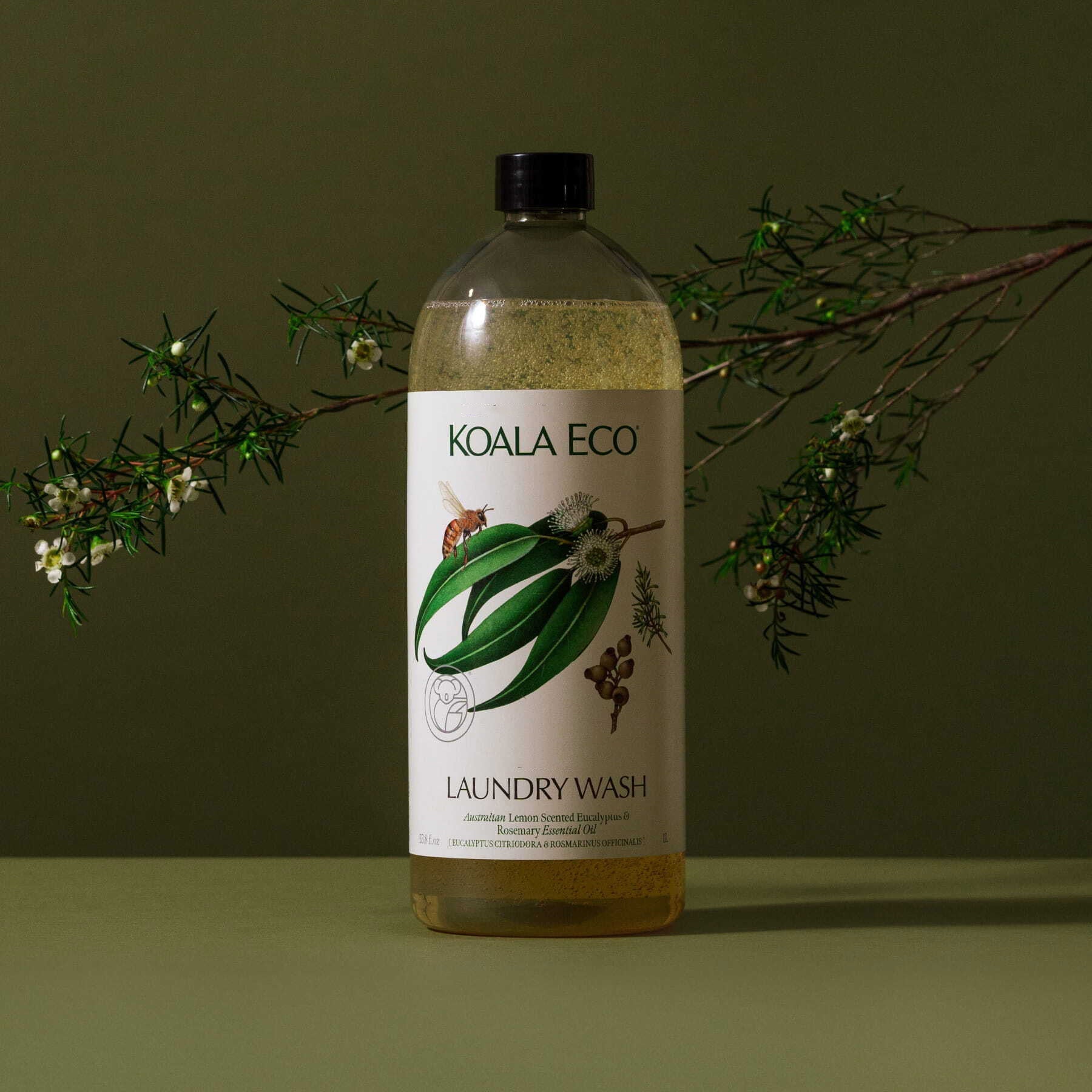
I used to think non-toxic and high-performance were a trade-off — that you chose one or the other. That's the assumption the cleaning aisle has been built on for decades. It turns out to be wrong. The chemistry of plants is extraordinary: eucalyptus, lemon myrtle, peppermint, rosemary. These are the essence of the plant — the highly concentrated compounds secreted in the bark, leaf, or fruit. Combined with plant-based surfactants and sugar-derived alcohols, they're as effective — often more so — than pouring unnecessary chemicals onto your counters. And they also carry the benefits of aromatherapy.
The other thing I've changed my mind on is scale. I once thought we were making something for a small group of people who shared our concerns. The pandemic made it clear that the wish to live with fewer toxins, and closer to nature, isn't niche — it's a quiet cultural shift. We were just early. I attached a photo of my twin, and I dressed as ladybugs at a pesticide protest in the 1980s! Koala Eco is now sold across Australia, into Asia, and throughout North America. We manufacture locally in both Australia and the United States, to support local economies and avoid the environmental cost of shipping product across oceans. Paul is Australian; I'm from the States. We're now based in California for US growth.
At the heart of all of this is the belief that connecting with nature in everyday life enhances wellbeing — an ethos drawn from the principles of ecopsychology. It's also why sustainability sits at the operational core rather than the marketing surface: recycled, recyclable, and refillable bottles, and ongoing partnerships with 1% for the Planet, Repurpose Global, and The Oceanic Society.
A wellness trend you think is overrated right now?
I want to be careful here, because wellness should really be about mental health. If something makes you feel better and isn't bad for you, that's fine. I don't think it's my place to weigh in on individual choices.
What does bother me is how many companies have jumped into wellness from a commercial standpoint. It feels insincere and misleading. The fundamentals aren't a mystery — diet, exercise, connection, time outside, and trying to limit unnecessary chemicals and processed food where you can. Most of it isn't new information, but it’s now being embraced and talked about, which is a good thing.
I think it’s worth saying that wellness can tip into harm. Orthorexia — an obsessive preoccupation with eating "correctly" or "purely" — is now part of the clinical conversation around eating disorders, and it's characterized by rigid food rules, anxiety around food, and social withdrawal. When the pursuit of being well starts undermining your actual wellbeing, something has gone wrong. A lot of the louder corners of the wellness industry are pretty close to that line. If your wellness is preventing you from enjoying your life, to me that doesn’t make a lot of sense.
What's one wellness belief you've completely changed your mind on?
That you have to be doing it perfectly for it to count. I used to think wellbeing required more time than I had as a working mother — the right routines, the right hours. Running a company alongside raising a family burned that idea off pretty quickly.
What I believe now is that it's absolutely okay to allow ourselves to be "good enough." We're trying to lead healthy, fulfilling lives, personally and professionally. The walk you actually take matters more than the one you planned. The window you actually open matters more than the air purifier you didn't buy.
This isn't theoretical for us. I have a master's in organizational psychology from Columbia University, and my identical twin sister Dee — our brand director — is a clinical therapist who still sees clients one day a week. Connection to nature for mental health is the ethos of the company, and the guiding principle behind everything we do. It also happens to be one of the easiest, cheapest, and least time-consuming things you can do for yourself.
When things feel overwhelming, what's the simplest thing you turn to for clarity?
Outside. Even five minutes. A walk through a park, along the beach, or just standing in the garden paying attention to something — the structure of a flower, the bees in the backyard going about their business.
If I can't get outside, I breathe. Box breathing — inhale for four, hold for four, exhale for four, hold for four — steadies the nervous system and calms the mind and body. It takes about ninety seconds and it works.
Exercise, too. Moving my body in some form, most days, has been one of the most reliable things for my mental health.
What's one small change at home that can have the biggest impact on wellbeing?
Bring something living into the room you spend the most time in. A window box of herbs. A leafy indoor plant in an apartment. A pot of rosemary near the kitchen sink. It sounds modest, but the research on this — what Richard Louv called nature-deficit disorder — is consistent: proximity to living things lowers stress, improves mood, and quietly recalibrates the nervous system.
The second small change: pay attention to what you're spraying into the air. Most conventional cleaning and laundry products release synthetic fragrance compounds that linger for hours after use. Replacing them with something plant-based changes the air you and your family breathe at home.
The third is less visible. Working on yourself — your reactions, your regulation, the way you carry stress through a room. Staying calm is a skill, not a personality trait, and it shapes everyone you live with. It's lifelong work, and worth doing through therapy and evidence-based practice.
Do you see your use of essential oils as redefining what people expect from cleaning products?
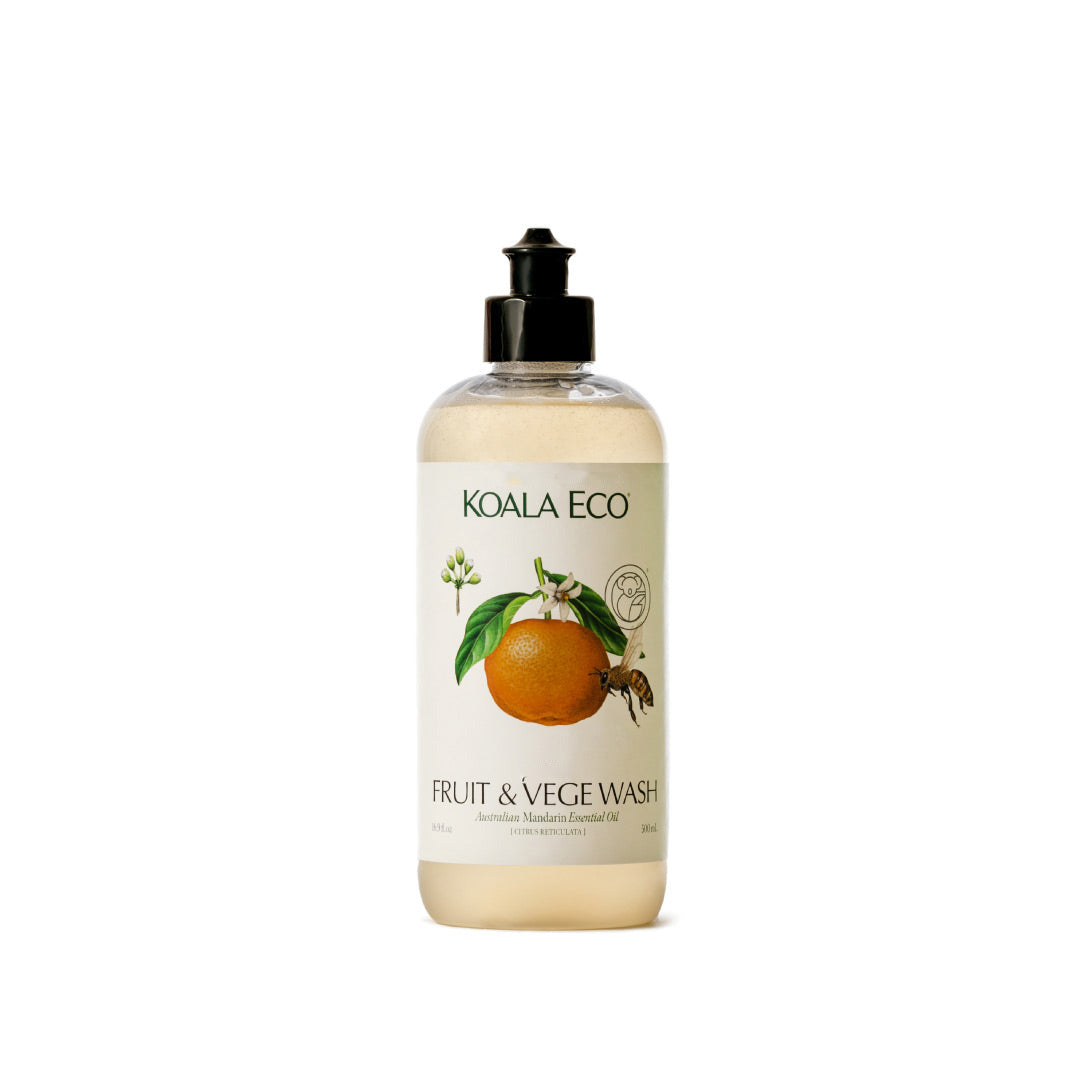
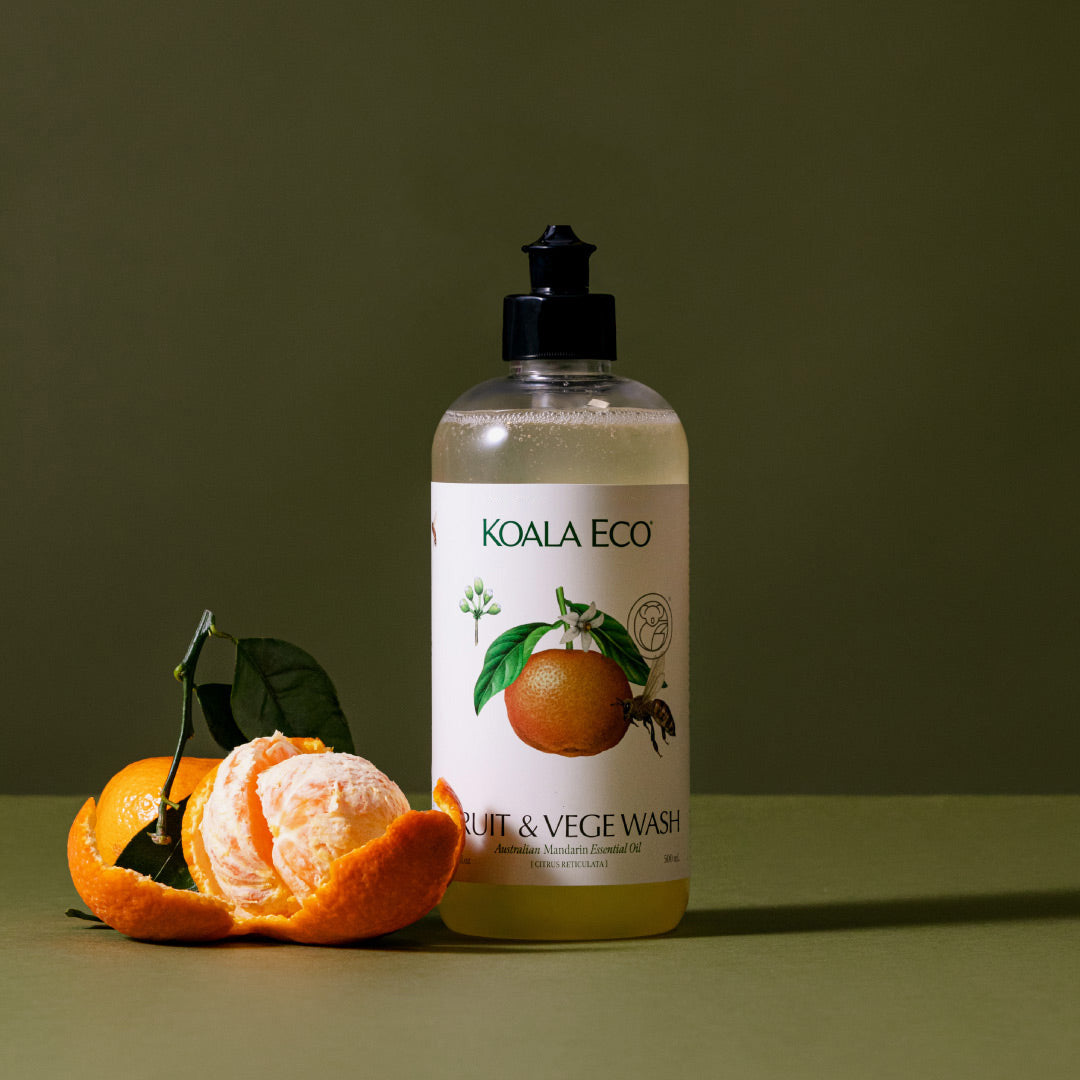
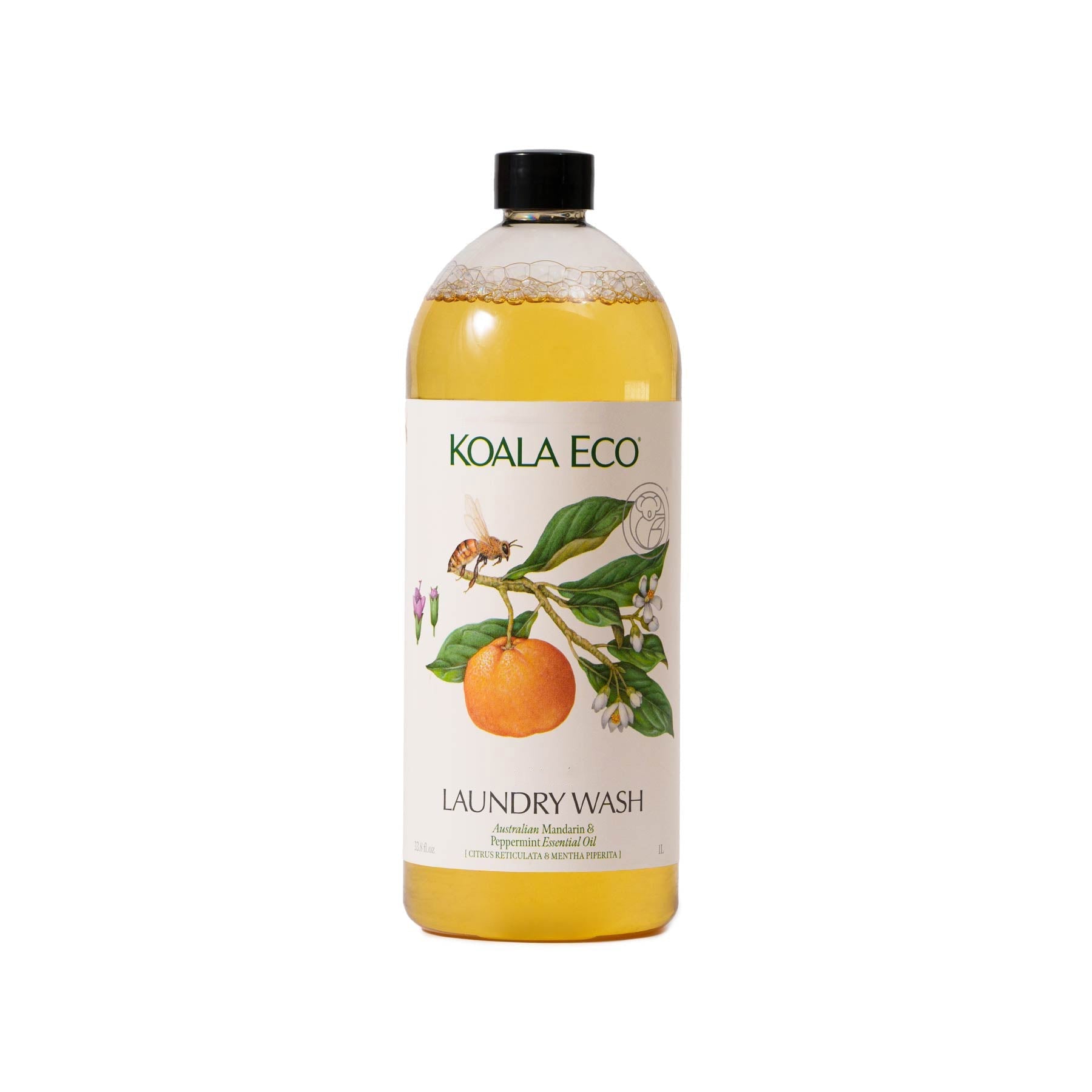
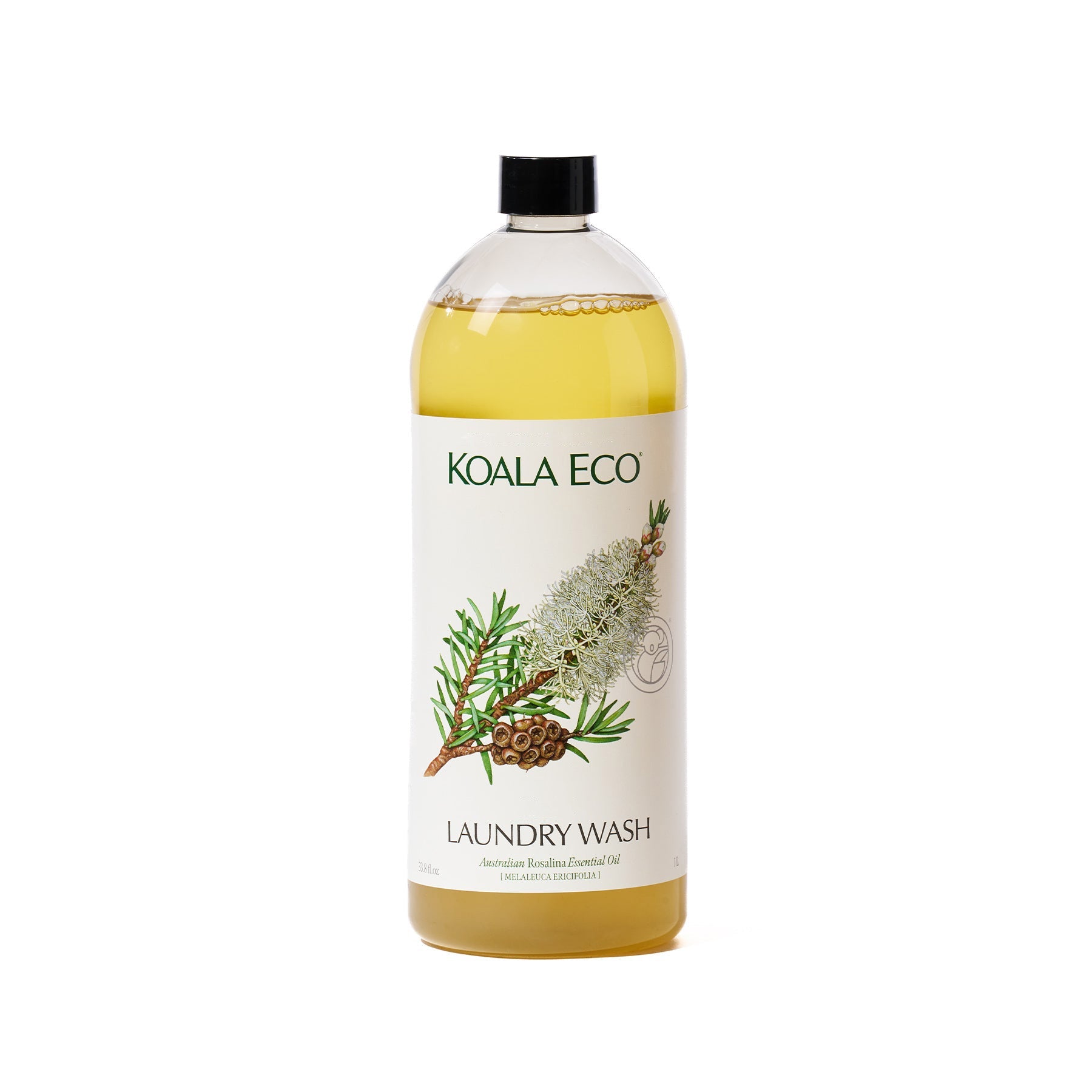
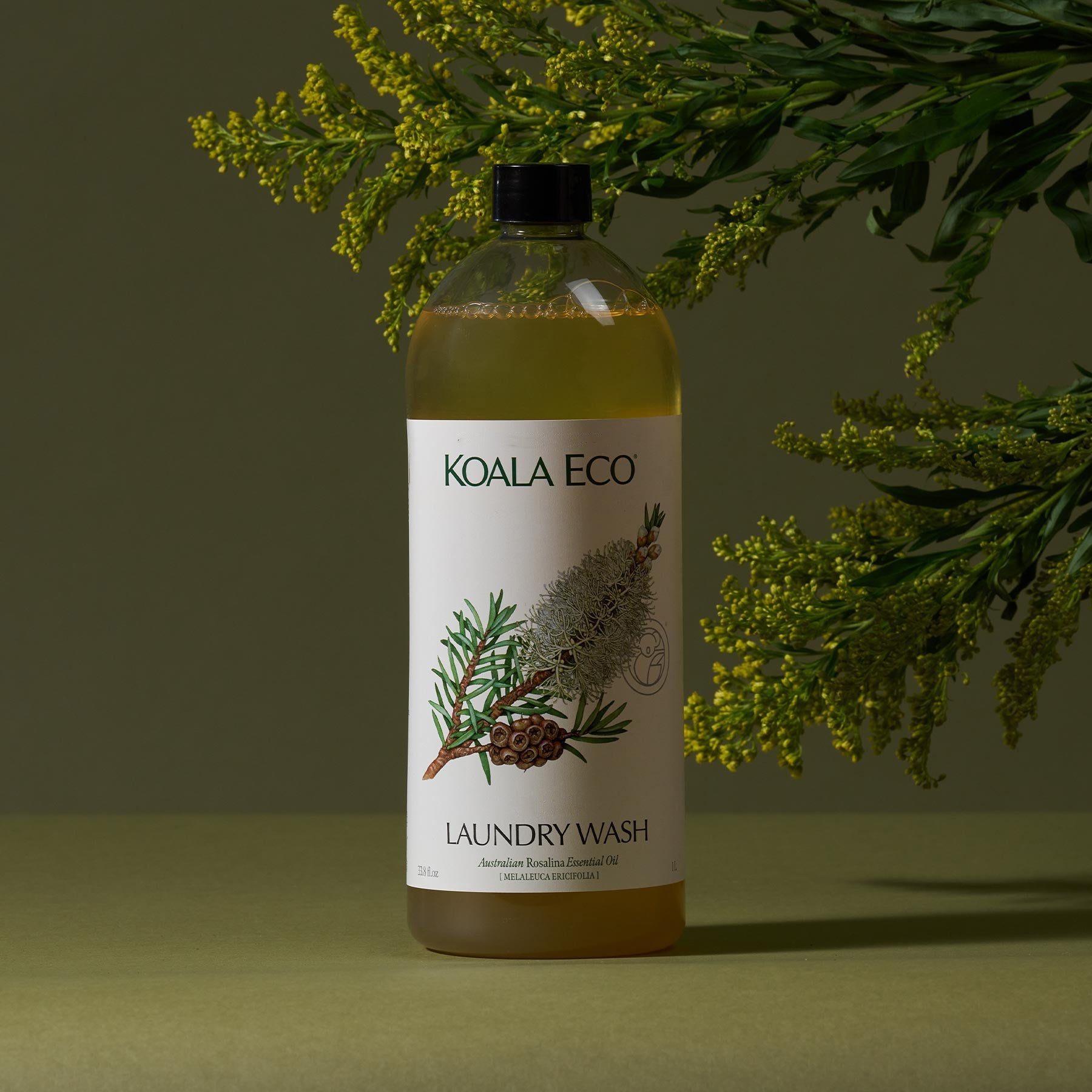
I hope so. For a long time, the cleaning aisle has trained us to associate "clean" with harsh chemicals. We wanted to offer a different sensory experience. Not perfume. Not fragrance. The actual essence of plants — eucalyptus, lemon myrtle, peppermint, rosemary, rosalina, mandarin — pressed and distilled, in their pure form.
Essential oils aren't just beautiful to smell. They're celebrated for their health and mood-enhancing properties — rosalina for relaxation, mandarin as the "happy" oil, peppermint to refresh. So when you open a bottle of Koala Eco, you're literally breathing in the healing power of nature. Cleaning becomes something else. A small daily ritual. A reason to pause. A quiet reminder that, when we return to nature, we return to ourselves.