How resetting our homes resets us
Spring arrives almost imperceptibly at first — a little more light in the morning, windows opened a little wider, the quiet sense that something in us is ready to shift.
Across cultures, spring has always been a season of clearing and renewal. But from an ecopsychology perspective, this instinct isn’t about order for its own sake. It’s about recalibration.
As ecopsychologist Theodore Roszak, who coined the term ecopsychology, once wrote:
“The needs of the planet are the needs of the person, and the rights of the person are the rights of the planet.”
In other words, our inner world and our outer environment are not separate systems. They’re in constant conversation.
Your home is a sensory ecosystem
Every home is a small ecosystem — shaped by light, air, scent, surfaces and sound. What we use to clean doesn’t just remove dirt; it changes the atmosphere we live in.
Environmental psychologists have long observed that our nervous systems respond to our surroundings before our minds do. Harsh chemical scents, visual clutter and stale air subtly keep the body on alert. Natural light, fresh air and gentle botanical scents do the opposite — they signal safety, calm, and restoration.
Why spring changes us
As daylight increases, serotonin rises, energy returns, and motivation follows. It’s biological. We are seasonal creatures, whether we acknowledge it or not.
In nature, habitats are refreshed after winter. Humans do the same — opening, clearing, lightening, making space.
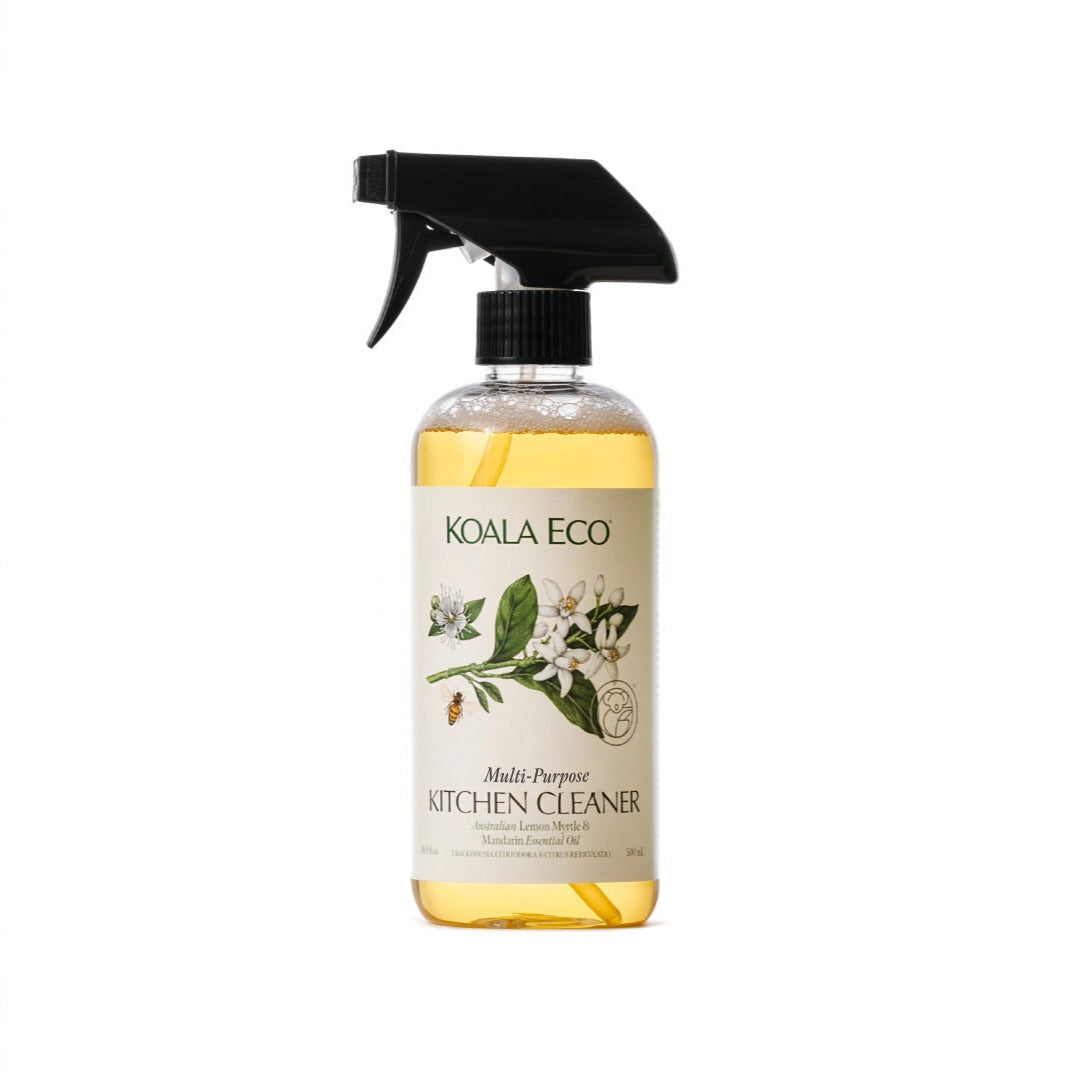
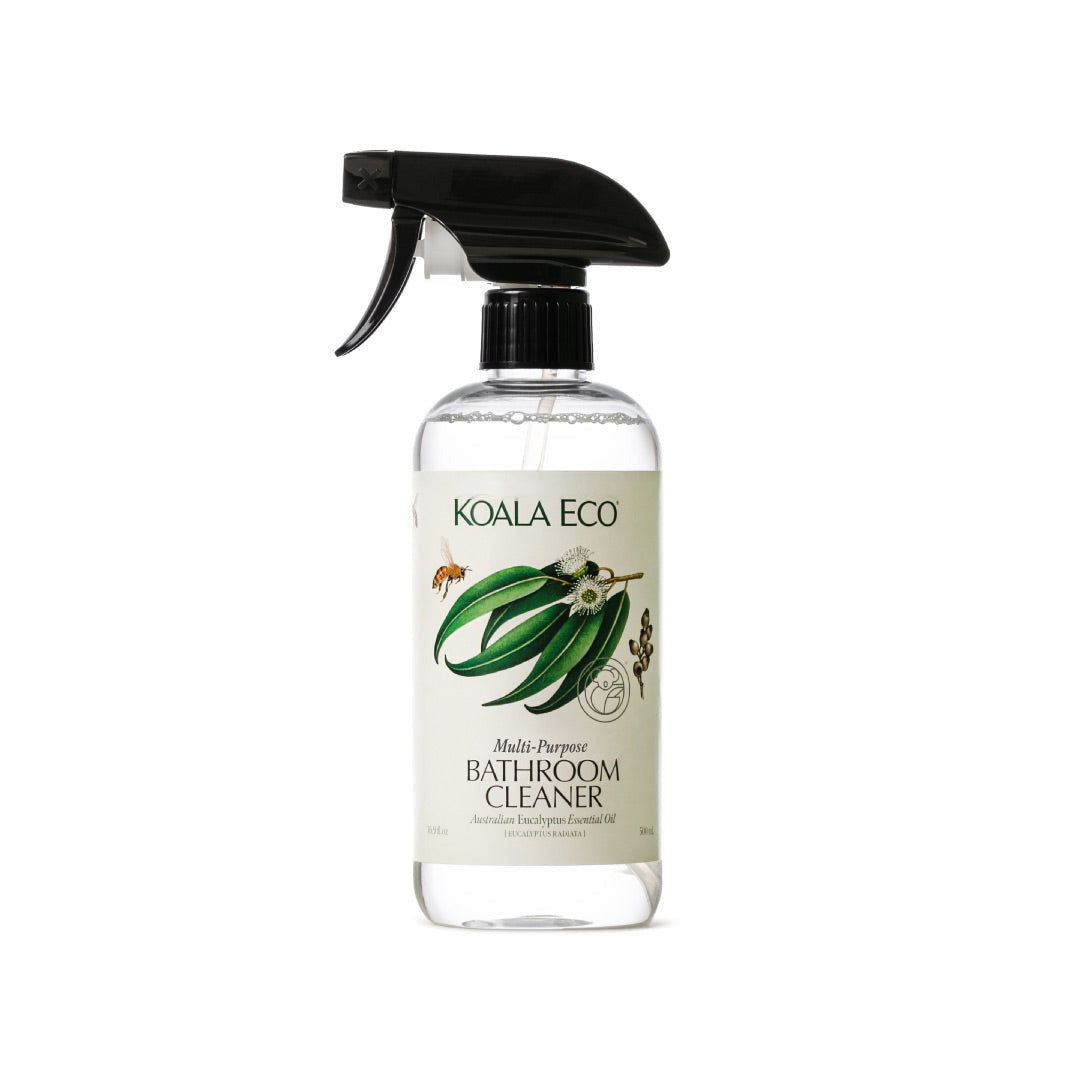
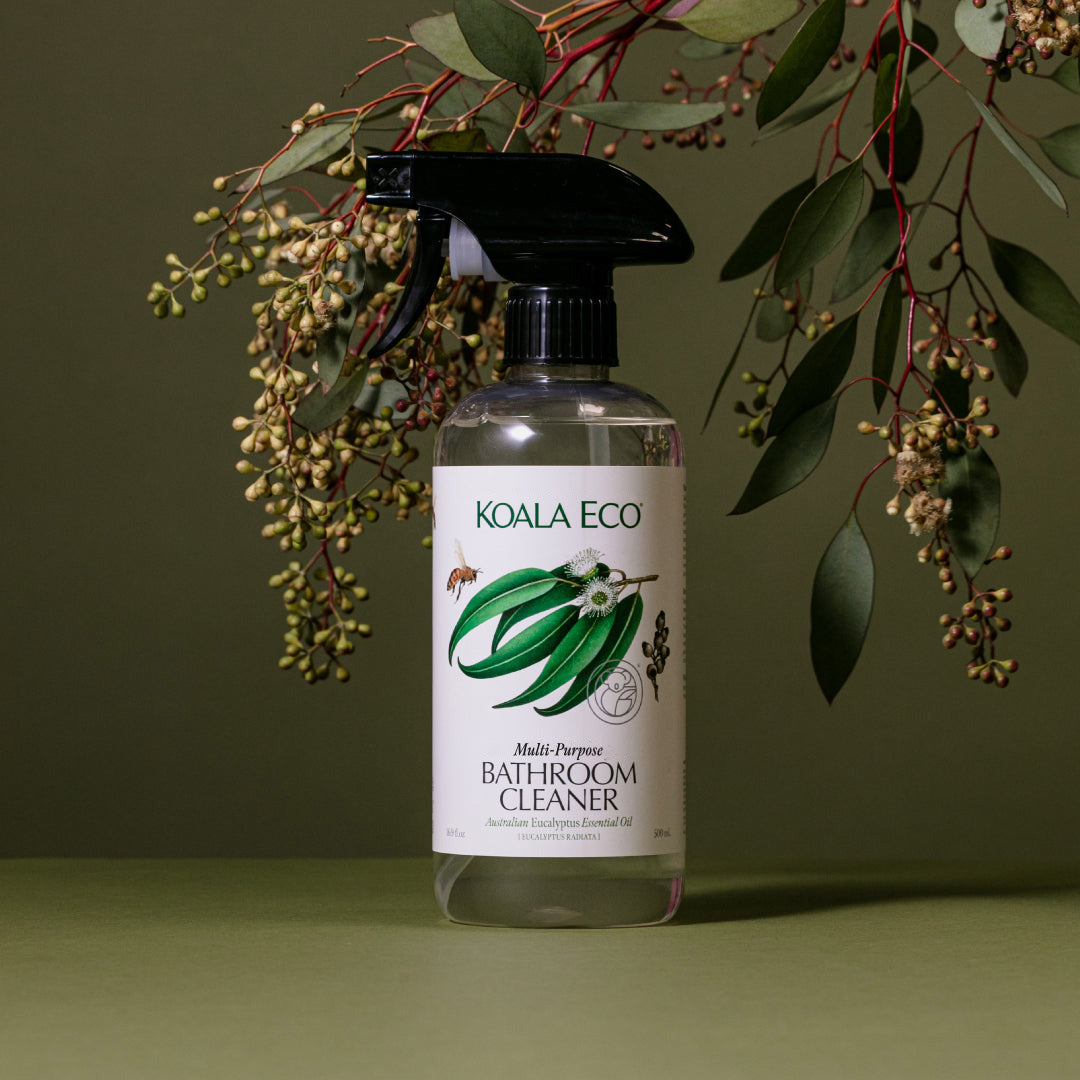
Scent is one of the most direct ways we stay in relationship with the natural world. Eucalyptus, rosemary, lemon myrtle, peppermint — these aren’t just “nice smells”. They are sensory cues that tell the body: you are somewhere fresh, clean, and open.
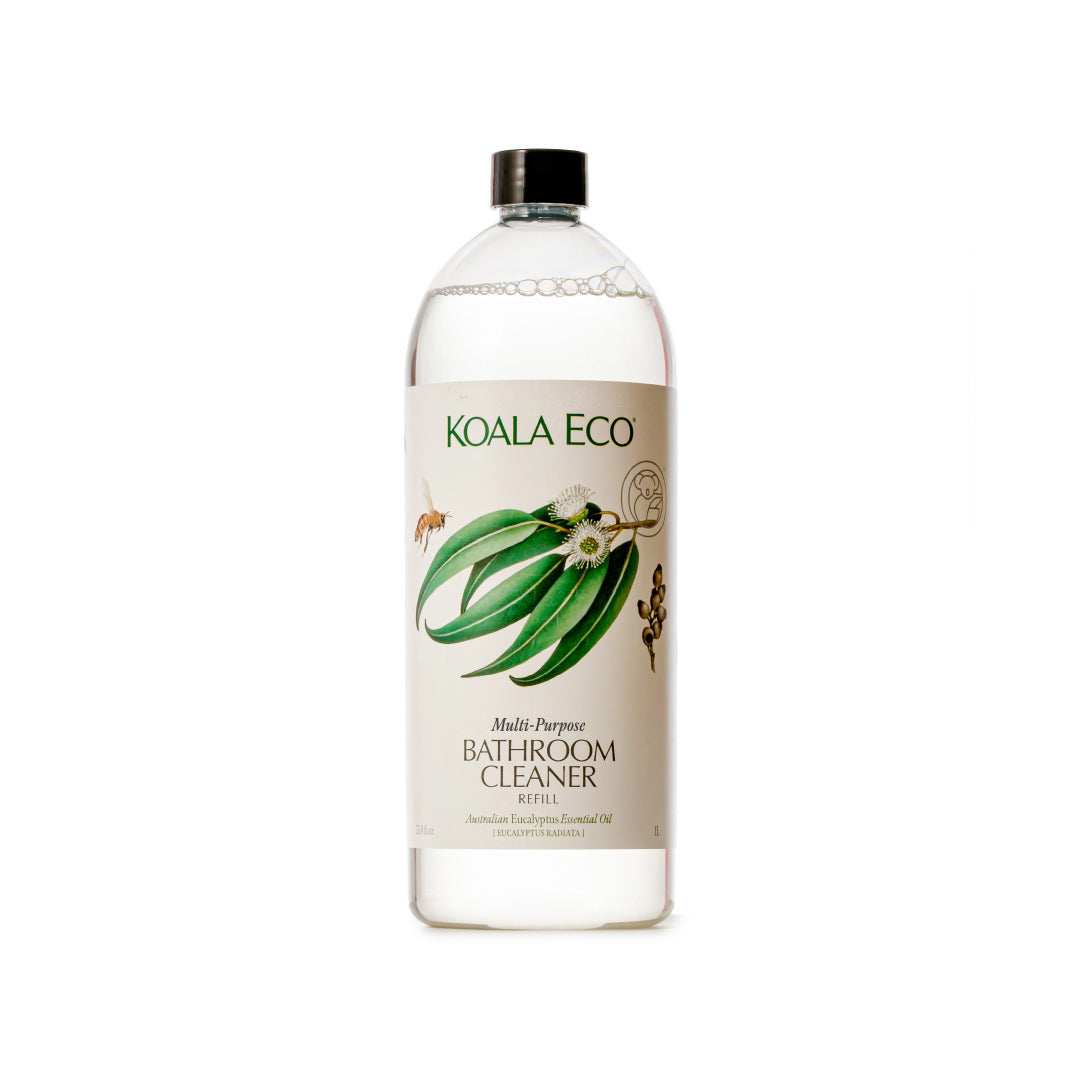
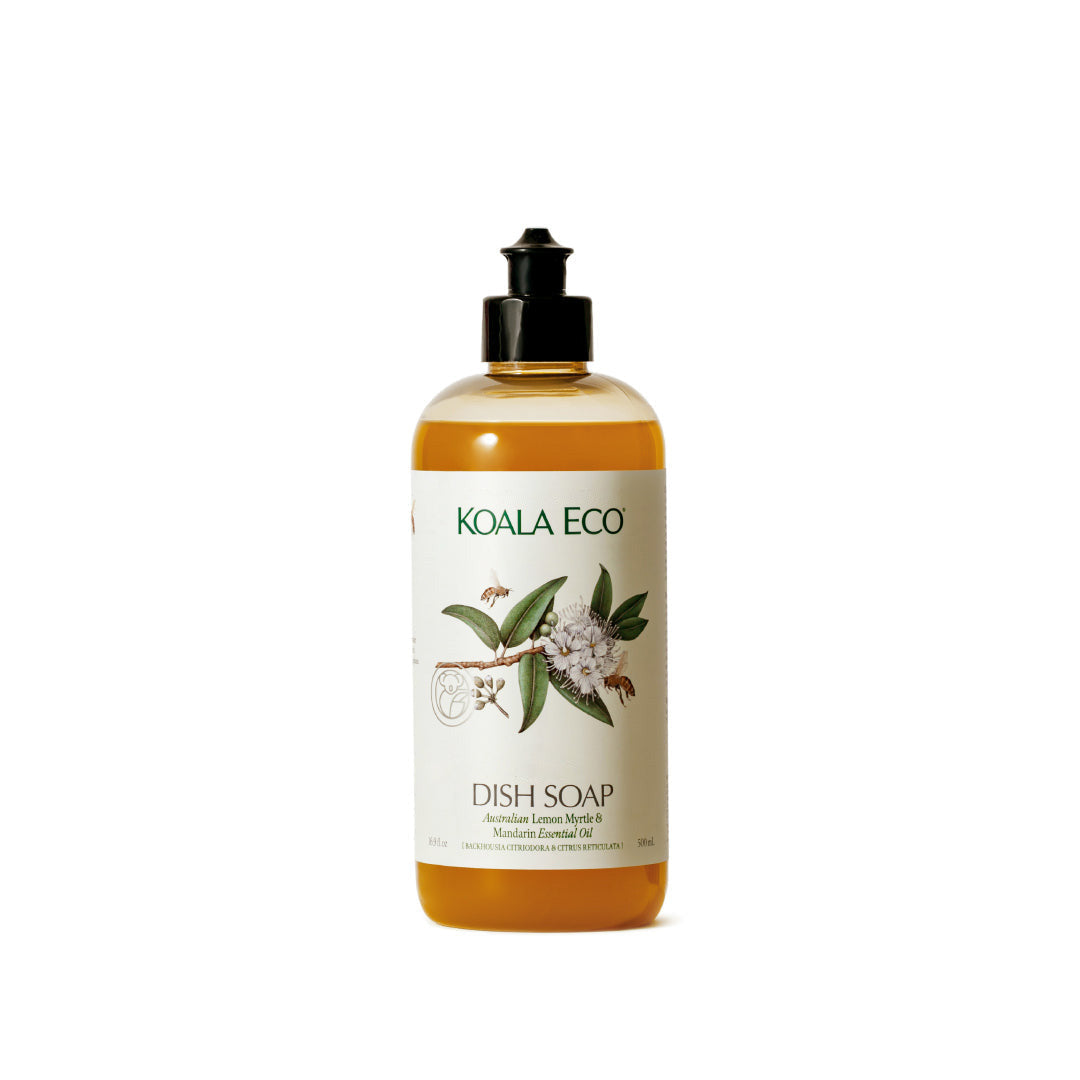
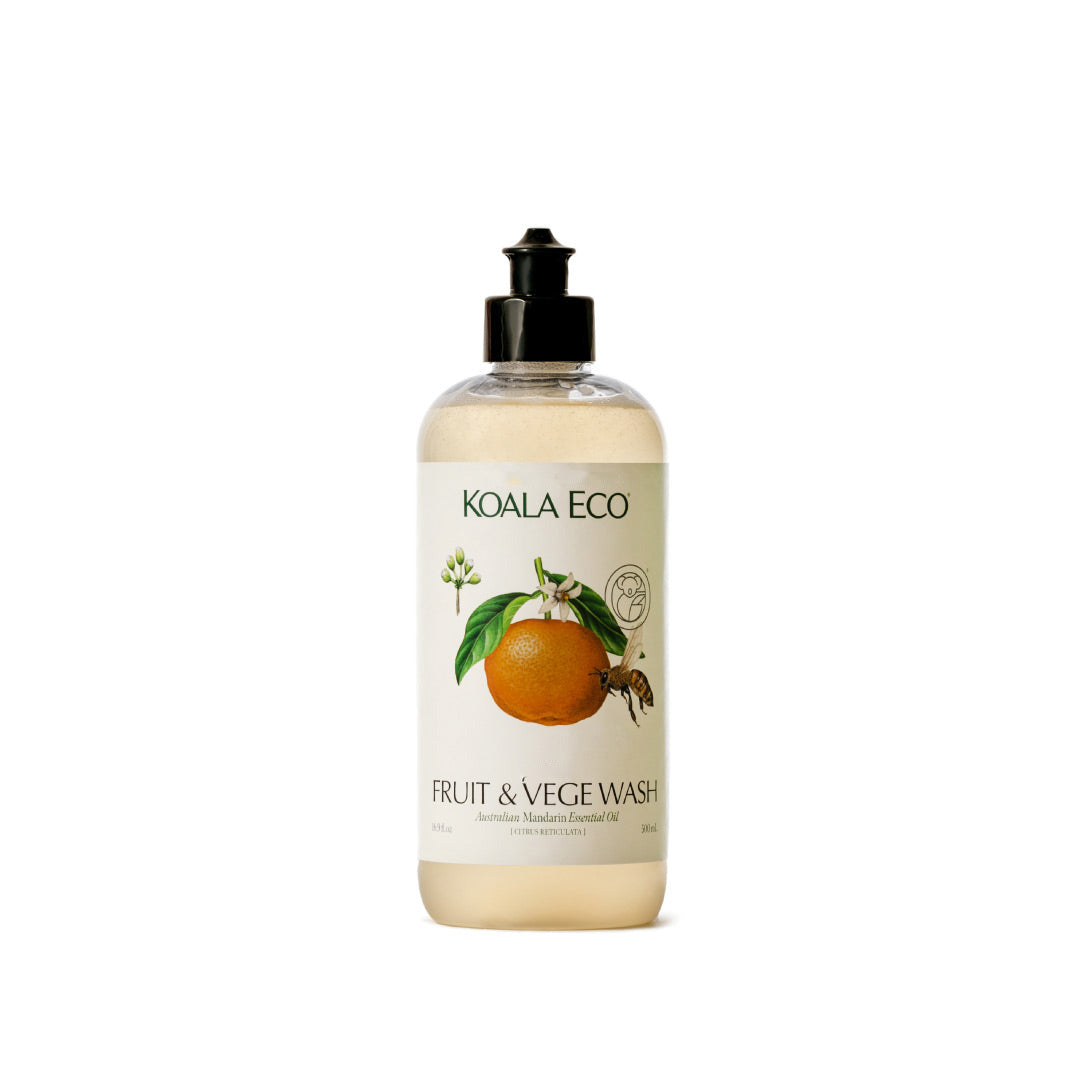
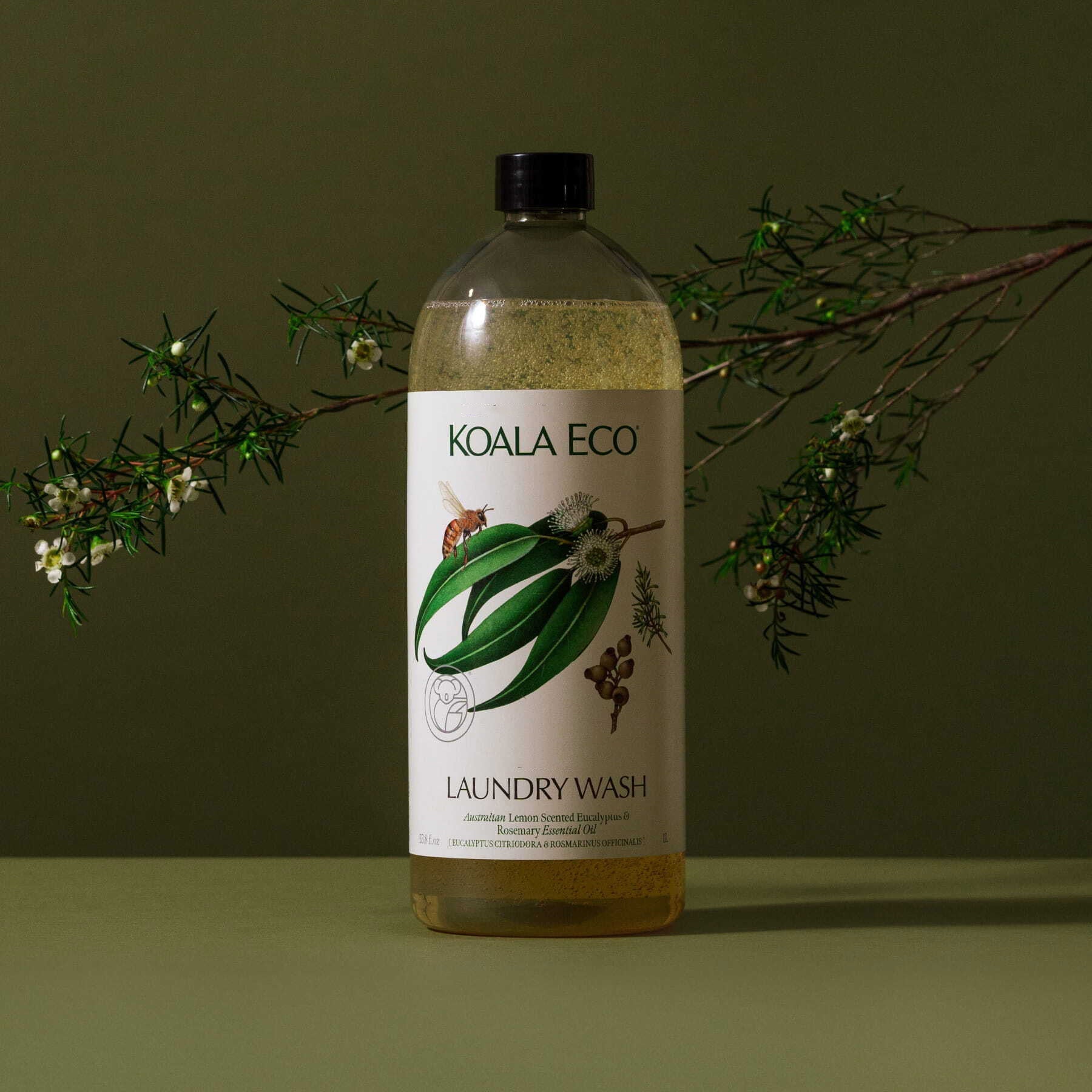
This is why Koala Eco doesn’t mask odors. Our products are designed to create atmosphere — turning everyday cleaning into a quiet form of natural contact.
When we stop treating spring cleaning as an obligation and start treating it as a seasonal reset, it becomes something else entirely:
A way of restoring clarity.
A way of softening the home.
A way of resetting our nervous systems. A connection to nature