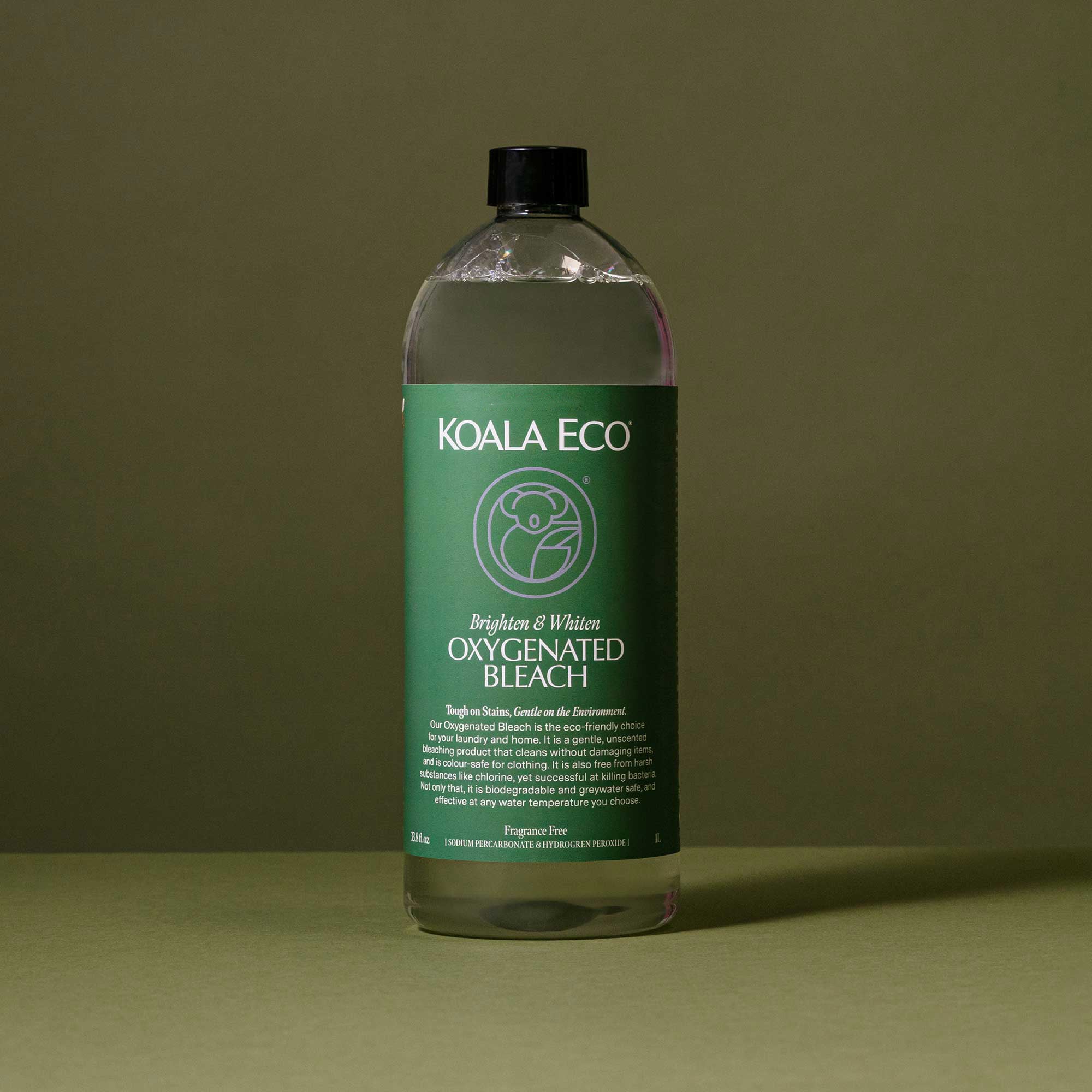
You browse the household cleaning materials section of the supermarket, looking for natural remedies: you want products that don’t contain toxic ingredients and fake fragrance, won’t harm the planet, and won’t make you or your family feel ill. Yet you also want cleaners with powerful antibacterial properties and formulas that clean swiftly and effectively without you having to put in extra work.
You pick up a cleaner that promises to smell ‘naturally’ fresh and lemony while it is blitzing 99% of germs from your kitchen or bathroom surfaces. You pick up another that vows it cleans the ‘natural’ way and contains ‘plant-based’ elements…yet what is this Coco-betaine listed in the ingredients? And is that lemon fragrance really natural?
If you feel confused, you are not alone. There are so many choices in the so-called ‘natural’ categories today, how do you wipe away the green-wash, and avoid bringing potential skin and respiratory irritants into your home?
Hopefully the following three tips from Koala Eco can help:
1. Check the ingredients label for these culprits (you won't find them on any Koala Eco product labels by the way):
- Any petroleum-based ingredients
- Nitrates, ammonia, chlorine, sulphates
- Sodium Lauryl Sulphate (SLS) & Sodium Laureth Ether Sulphate (SLES)
- Sodium Coco Sulphate (SCS) (a slightly less processed version of SLS)
- Cocamidopropyl betaine (Coco-betaine) (a foaming agent often used in ‘natural’ products which sounds plant-based but isn’t)
- Fragrance: anything that has to be added will be synthesised from chemicals
- Parabens (used as preservatives)
- TEA (Triethonalomine) and DEA (Diethonalomine) (surfactants potentially causing skin reactions)
- Triclosan (originally a hospital-grade antimicrobial, banned in the US but is still legal in Australia)
- Phthalates (chemical compounds used to make plastics more durable)
2. If it sounds too good to be true, it probably is. Products may say they’re biodegradable for example, but do not provide any specific backing for this claim. Koala Eco can, and we don't mind being asked about it.
3. Check any ‘eco-friendly’ certification because some are fake and just created for marketing purposes. Yes, really! Certifications should be issued by independent, third-party organisations whose business it is to ensure companies conform to their standards. For example, Koala Eco products are independently certified as toxic-free by Safe Cosmetics Australia Toxic-Free, independently certified by Safe Cosmetics Australia Made Safe, Australian Allergy Certified and Vegan Australia Certified.