How we’re inspired by Australia
In this extract from her travel diary, writer Mags Webster describes an encounter with the land in the north of Western Australia:
‘I inhale the hot breath of the outback, and think: this feels like the real Australia. Wherever I walk, the land walks me. Gorge to desert, escarpment to coastline and island. This is where the truth begins. We go to Hancock Gorge, its cliffs tiled with bruise-coloured plates of stone and shale. We listen to the music of the land, we can almost see its codas reverberate. I’m standing under a gum tree humming with squadrons of bees. Rivulets of ants traverse up and down its pallid trunk. I hear a two-tone music, the sound of water rush and also the sound of it falling. I look at the ground for a moment and it is alive with movement. Out on the horizon, dust storms make spectres in the air, smears of pigment hanging like smoke long after the fire has stopped blazing. Later, floating out onto the inky skin of Handrail Pool, not thinking of the depths beneath me, I turn my face to the burning edge of sunlight far above, where the earth makes a jagged seam with the sky.’
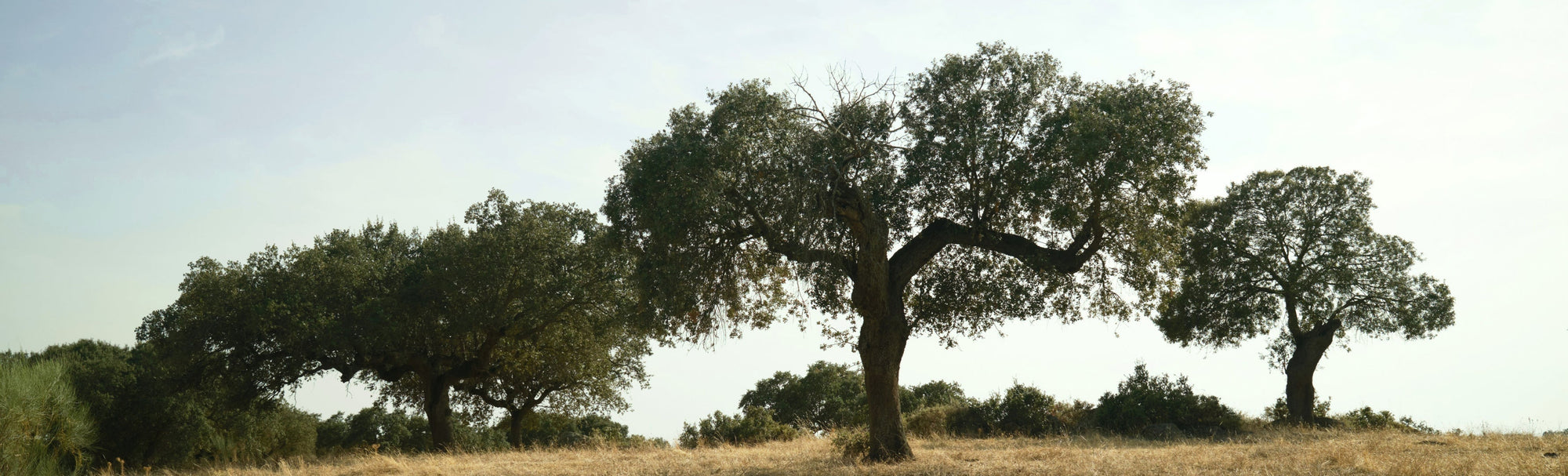
In an island that covers 7.6 million km2 there’s going to be a lot of diversity in Australia’s landscape. Even though it’s the driest continent in the world (after Antarctica) and one of hottest, Australia has deserts that teem with life. Hardwood forests of enormous old-growth trees; snow-covered mountain ranges; vast expanses of bush, and of farmland; tropical and sub-tropical rainforests; great river systems, massive salt lakes, arid plateaus. Regions perfect for growing grapes and making wine. Coastlines garnished with hundreds of atolls and islands; oceans populated with coral reefs, kelp beds and all varieties of marine life from the mighty Blue Whale to microscopic phytoplankton.
It’s land and seascape that works on and into the human psyche, changes and enriches it.